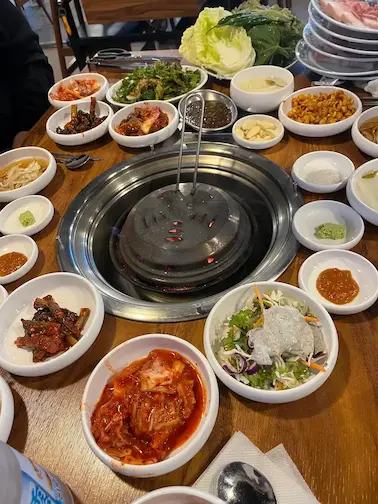
For many foreign visitors, Korean food begins long before they arrive in Korea.
They may have seen characters eating ramyeon in a drama, watched videos of tteokbokki and Korean fried chicken, or tried kimchi, bibimbap or bulgogi in their own country. By the time they land in Seoul, Busan or Jeju, many already have a list of foods they want to try.
But eating in Korea can feel different from watching it online.
Menus may be written mostly in Korean. Some dishes may be spicier than expected. Side dishes may arrive without being ordered. Water may be self-service. A casual restaurant may use a kiosk instead of a waiter. Some places are easy for solo diners, while others are built around shared meals.
Korean food is not difficult to enjoy, but it helps to understand how meals usually work.
This guide explains what foreign visitors should know before eating in Korea: common dishes, spicy food, side dishes, restaurant habits, street food, convenience store meals, regional food and common mistakes to avoid.
Korean Food Is Not One Single Flavor
Korean food is often introduced overseas through a few famous dishes: kimchi, bulgogi, bibimbap, Korean barbecue, spicy rice cakes and fried chicken.
Those foods are part of the picture, but they are not the whole table.
A regular Korean meal often includes rice, soup or stew, kimchi and several small side dishes. Some dishes are spicy. Some are mild. Some are grilled, boiled, steamed, fermented or stir-fried. Some meals are built around meat or seafood, while others focus on vegetables, tofu, noodles or rice.
This variety matters for visitors.
If you do not enjoy spicy food, you can still eat well in Korea. If you are travelling alone, there are simple meals that work for one person. If you want something quick, small restaurants and convenience stores can be useful. If you want a slower meal, barbecue, stews or regional dishes may be better.
The best way to enjoy Korean food is not to chase every famous dish at once. It is to choose the kind of meal that fits your day.
Easy Dishes to Start With
For first-time visitors, some Korean dishes are easier to begin with than others.
Bibimbap is one of the most approachable choices. It usually comes as rice topped with vegetables, sometimes meat, egg and red pepper paste sauce. The sauce may be served separately, so visitors who are sensitive to spice can add a small amount first.
Bulgogi is another comfortable starting point. It is usually made with thinly sliced marinated beef and has a sweet and savory taste rather than a strongly spicy one.
Gimbap is practical for a quick meal. It is made with rice and various fillings rolled in seaweed and sliced into pieces. Some versions include ham, egg, tuna, cheese, vegetables or meat, so visitors with dietary restrictions should still check the filling.
Kalguksu, a knife-cut noodle soup, can be comforting on a cool day. Mandu, or Korean dumplings, can also be easy to try, though fillings may include pork, kimchi, vegetables or seafood.
For visitors who want something mild, dishes such as seolleongtang, samgyetang, kalguksu, bulgogi, gimbap and some tofu dishes may be easier than spicy stews or tteokbokki.
The important point is simple: Korean food is not all spicy.
Be Careful With Spicy Food
Some Korean dishes are genuinely spicy, even for people who usually enjoy spicy food.
Tteokbokki, kimchi jjigae, budae jjigae, dakgalbi, spicy noodles and some seafood stews can be stronger than expected. The level of spice can also vary by restaurant.
If you are unsure, ask whether the dish is spicy before ordering. A translation app can help. Some menus may show words such as “mild” or “non-spicy,” but not every restaurant offers that choice.
It is better to start carefully than to order a dish only because it is famous online.
Many visitors enjoy spicy Korean food, but not every first meal needs to be a challenge. A trip is easier when you choose food you can actually enjoy.
Side Dishes Are Part of the Meal
One thing that surprises many visitors is the arrival of small side dishes.
In many Korean restaurants, side dishes are served with the main meal. These may include kimchi, pickled vegetables, seasoned sprouts, fish cake, tofu, seaweed, salad or other small items. The exact side dishes depend on the restaurant and the main dish.
Visitors do not need to order every side dish separately. In many places, they are part of the meal.
Some restaurants refill certain side dishes without extra charge, but this is not always the same everywhere. It is polite to ask if you want more rather than assuming everything is unlimited.
Side dishes are not decoration. They are part of how the meal is balanced. A salty stew, plain rice, kimchi and mild vegetable side dishes may be meant to be eaten together.
For visitors, this is one of the easiest ways to understand Korean food: do not look only at the main dish. Look at the whole table.
Restaurant Habits That May Feel Different
Korean restaurants can feel easy once you understand a few basic habits.
At some restaurants, water is brought to the table. At others, water is self-service. You may need to get cups, water, side dishes or utensils from a small station.
Some tables have a drawer on the side where spoons, chopsticks and napkins are kept. If you do not see utensils on the table, check the drawer before calling a server.
Many restaurants have a call button on the table. Pressing it is a normal way to ask for help. The sound can be loud, but it is not rude when used properly.
Kiosks are also common in casual restaurants, food courts and fast-service places. Some machines have English, but not always. If there is no English option, a translation app can help.
Tipping is not normally expected in ordinary Korean restaurants. In most places, visitors pay the listed price and leave after the meal.
These small details can make the first restaurant visit much less confusing.
For ordering, kiosks, self-service, side dishes, payments and table customs, see our Korean Restaurant Guide.
Eating Alone in Korea
Solo dining is possible in Korea, but the experience depends on the type of restaurant.
Simple restaurants, noodle shops, gimbap places, food courts, convenience stores and many casual restaurants are usually comfortable for one person. These are good choices when you want a quick or quiet meal.
Some barbecue restaurants, hot pot places or large shared dishes may be designed for two or more people. A few restaurants may require a minimum order. This does not mean solo travellers cannot eat well. It simply means they should choose the restaurant type carefully.
For solo travellers, practical options include gimbap, bibimbap, noodles, soups, rice bowls, dumplings, convenience store meals and casual lunch restaurants.
If you are unsure, look inside before entering. If you see counter seats, small tables or other solo diners, the restaurant is likely easier for one person.
For detailed advice on minimum orders, solo-friendly restaurants and useful Korean phrases, read our full guide to eating alone in Korea.
Street Food and Markets
Street food is one of the most enjoyable parts of eating in Korea, but visitors should approach it realistically.
Popular options include tteokbokki, hotteok, eomuk, twigim, gimbap, mandu and various skewers. Traditional markets and busy shopping areas often have food stalls or small snack shops.
Street food is useful when you want to try several small items without sitting down for a full meal. It is also a good way to experience everyday food culture.
However, not every street food is mild. Tteokbokki can be spicy. Some skewers or fried foods may contain seafood, pork or hidden ingredients. If you have allergies or dietary restrictions, ask before eating or choose simpler items.
Cash can also be useful at some markets or small stalls, even though card payments are common in many places.
Street food is best enjoyed slowly. Try one or two things first instead of buying everything that looks popular.
Convenience Store Food Is Part of Modern Korea
Convenience stores are not only for snacks in Korea.
Many visitors are surprised by the range of food available: gimbap, triangle gimbap, lunch boxes, ramyeon, sandwiches, boiled eggs, drinks, desserts and simple side dishes. Some stores have hot water, microwaves and small seating areas.
Convenience store meals are not a replacement for every restaurant meal, but they are useful.
They can help when you arrive late, travel on a budget, need breakfast before an early train or want something simple after a long day. They also show a practical side of Korean daily life.
Visitors should still check labels when possible. Some foods may contain pork, seafood, dairy, egg or spicy sauce. If you have dietary restrictions, choose carefully and use a translation app when needed.
For food, transport-card recharge, ATMs and other everyday services, see our Korean Convenience Stores guide.
Regional Food Is Worth Noticing
Korean food changes by region.
A visitor in Busan may notice pork and rice soup, seafood markets and coastal dishes. Jeonju is strongly associated with bibimbap and food culture. Jeju is known for black pork, seafood and island ingredients. Gangneung has local tofu dishes such as Chodang sundubu.
This does not mean every visitor needs to travel only for food. But when you leave Seoul, it is worth asking what the local dish is.
Regional food helps visitors understand that Korean cuisine is not one fixed menu. It changes with geography, season, local ingredients and local habits.
A simple food question can make a regional trip more memorable: what do people here like to eat?
Dietary Restrictions Need Careful Checking
Visitors with dietary restrictions should be careful in Korea.
Vegetarian, vegan, halal, gluten-free or allergy-friendly options exist, especially in major cities, but they are not always easy to identify. Some dishes that look vegetable-based may use anchovy broth, beef stock, seafood sauce, egg or small amounts of meat.
Kimchi may contain fish sauce or salted seafood. Soups may use meat or anchovy broth. Fried foods may share oil. Gimbap may include ham, egg or crab-flavored seafood sticks. Sauces can contain ingredients that are not obvious from the appearance.
This does not mean visitors with dietary restrictions cannot eat in Korea. It means they should prepare carefully.
Save a translated note explaining what you cannot eat. Use a translation app. Look for restaurants that clearly explain ingredients. When in doubt, choose simple meals where the ingredients are easier to understand.
For serious allergies, caution is especially important. Restaurant staff may try to help, but hidden ingredients and cross-contact can still be difficult to confirm.
For serious food allergies, see our Food Allergies in Korea guide.
Muslim travellers can also use our Muslim-Friendly Korea guide for halal food, restaurant categories and prayer-room planning.
Common Mistakes Foreign Visitors Make
The first mistake is thinking all Korean food is spicy. Many dishes are spicy, but many are not.
The second mistake is ordering only dishes seen online. Famous foods can be fun, but they may not match your taste, budget or comfort level.
The third mistake is ignoring side dishes. In Korean meals, side dishes often complete the table.
The fourth mistake is assuming every restaurant works the same way. Some are full-service. Some are self-service. Some use kiosks. Some are better for groups than solo diners.
The fifth mistake is not checking ingredients. This matters for people who avoid pork, seafood, beef, egg, dairy, gluten or spicy food.
A better approach is to start with simple meals, learn how restaurants work and become more adventurous as the trip continues.
A Simple First Food Plan for Korea
For a first day in Korea, keep food simple.
Choose a meal that is easy to understand, such as bibimbap, gimbap, noodles, bulgogi, dumplings or a mild soup. Try side dishes slowly. Use a translation app if the menu is unclear. Do not feel pressured to order the spiciest or most famous dish first.
After that, explore more.
Try Korean barbecue when you have enough time. Visit a traditional market for snacks. Use a convenience store when your schedule is tight. Ask about local dishes when travelling outside Seoul. Try spicy food when you are ready, not because the internet told you to.
Korean food is one of the most enjoyable parts of visiting Korea, but it is not a performance. You do not need to eat everything perfectly or know every rule before your first meal.
Start with curiosity, pay attention to the whole table and choose food that fits your day.
That is usually the best way to enjoy eating in Korea.
For more practical guides to food, restaurants and dining customs, return to our Food & Drink guide.