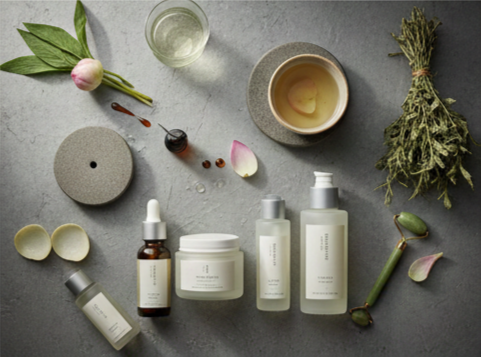
K-beauty has never been only about new technology.
Some of its most recognisable products are built around ingredients that feel familiar in Korean culture: ginseng, mugwort, rice water, green tea, licorice root, fermented extracts and herbal blends inspired by older Korean traditions.
In 2026, these ingredients are receiving renewed attention through what many brands describe as modern hanbang skincare.
Hanbang refers to traditional Korean medicine. In beauty, the word is usually used more loosely. It often means skincare inspired by Korean herbal ingredients, traditional ingredient culture, fermentation and a balanced approach to daily care.
This point needs to be clear.
Hanbang skincare is not medicine.
A cream, toner or serum is best understood as part of a daily beauty routine, not as a promise of perfect skin.
A responsible way to understand modern hanbang is simpler: Korean beauty brands are using familiar traditional ingredients and modern cosmetic formulation to create products that feel gentle, layered and culturally Korean.
That is why many foreign consumers are paying attention.
What Is Modern Hanbang Skincare?
Modern hanbang skincare takes inspiration from Korean herbal culture, but it is made for today’s beauty market.
Older hanbang beauty products often had rich textures, deep herbal scents and packaging that appealed mainly to older consumers. Modern versions can look and feel different.
They may use lighter textures, simpler routines, cleaner packaging, fermented extracts and ingredients that fit more easily with global skincare habits.
The focus is often on comfort, hydration, texture and daily maintenance.
This is why hanbang skincare fits naturally with the wider slow-aging conversation in K-beauty.
Slow-aging should be understood carefully. It does not mean stopping age. It is better understood as a consumer preference for steady care, sunscreen, moisturising, gentle cleansing and routines that do not feel harsh or rushed.
No skincare category can stop ageing.
What hanbang offers is not a promise of youth. It offers a calmer way to talk about everyday skincare.
Why Hanbang Feels Relevant Again
There are several reasons hanbang skincare feels timely.
First, many consumers are tired of harsh routines. Strong exfoliants, too many active ingredients and complicated skincare steps can leave some people feeling irritated or overwhelmed.
Second, global consumers are showing interest in gentle formulas, comfortable textures and products that can be used regularly.
Third, K-beauty has become more global. Korean cosmetics exports reached a record level in 2025, and Korean skincare is now easier to find in the United States, Europe, Southeast Asia and online beauty stores.
Fourth, traditional Korean ingredients give K-beauty a clearer cultural identity. Ginseng, mugwort, rice and green tea do not feel like copied global trends. They connect skincare with Korean food culture, tea culture, herbal traditions and beauty history.
That cultural link is part of the appeal.
Common Hanbang Ingredients
Modern hanbang skincare often uses ingredients that are familiar in Korean herbal and food culture.
Ginseng is one of the best-known Korean ingredients. In skincare, it is often used in products marketed around radiance, richer care and a traditional Korean beauty image.
Mugwort, also known as artemisia, appears in many Korean toners, essences, masks and creams. It is often associated with a calm and comfortable skin feel in beauty marketing.
Rice water and rice extract are used in moisturising and tone-care products. Because rice is central to Korean food culture, rice-based skincare is easy for foreign consumers to understand.
Green tea is often used in lightweight products that focus on freshness and hydration. It also connects Korean skincare with tea culture and Jeju imagery.
Licorice root appears in many cosmetic formulas and is often used in products marketed around overall skin appearance and tone care.
Fermented extracts are also common in modern K-beauty. Some brands use fermentation as part of their product story, texture development or ingredient refinement.
The safest way to read these ingredients is not as miracle solutions.
They are part of a broader Korean skincare language.
Fermentation Should Not Be Overstated
Fermentation is one reason modern hanbang skincare feels different from older herbal beauty products.
Korean beauty brands often use fermented ingredients in essences, serums, masks and creams. Fermentation may change the smell, texture or composition of an extract. It can also become part of a brand’s story about refinement, tradition and careful processing.
But the wording needs care.
It is not safe to say that fermented ingredients always work better, penetrate deeper or produce stronger results for everyone.
Skin response varies by person.
The overall formula matters. So do concentration, preservation, texture, fragrance, other active ingredients and how the product is used.
For foreign readers, the practical point is this: fermented hanbang products can be interesting, but they should be judged like any other skincare product.
Look at the ingredient list.
Patch test first.
Notice how your own skin responds.
Hanbang and the Slow-Aging Mood
Slow-aging is one of the visible beauty conversations in Korea.
It is different from older anti-ageing language. It is less about fighting age and more about maintaining skin condition through regular care.
In practice, this can include sunscreen, gentle cleansing, moisturising, barrier-supportive routines, sleep habits and avoiding the overuse of harsh products.
Hanbang fits this mood because it often uses words such as balance, comfort, tradition and routine.
That does not mean hanbang products can prevent ageing.
It means they match a consumer mood that values steady care over fast correction.
This is an important difference.
One statement makes a medical-style promise.
The other describes how people are thinking about skincare.
Hanbang Is Not the Same as Clean Beauty
Hanbang and clean beauty are not the same thing.
Clean beauty usually focuses on what a product avoids. Depending on the brand, this may include certain preservatives, fragrance, colourants or other ingredients.
Hanbang focuses more on the origin and meaning of ingredients. It often uses Korean herbal inspiration, fermented extracts, traditional plant ingredients and cultural storytelling.
Both categories can be useful.
Both can also be overmarketed.
A product is not automatically gentle because it is herbal.
A product is not automatically better because it is traditional.
Natural ingredients can still irritate the skin. Fragrance, essential oils, alcohol and botanical extracts may not suit everyone.
The best approach is simple: read the ingredient list and pay attention to your own skin.
What Foreign Consumers Should Check Before Buying
If you are new to hanbang skincare, start slowly.
Choose one product first, such as a toner, essence, moisturiser or mask.
Patch test before applying it to your whole face.
Check whether the product contains fragrance or essential oils if your skin is sensitive.
Do not combine too many new products at once.
Be careful when using strong actives such as retinoids, exfoliating acids or high-strength vitamin C.
Check how the product fits with your existing routine.
If you have acne, rosacea, eczema, allergies, pregnancy-related concerns or a medical skin condition, speak with a qualified professional before changing your skincare routine.
Skincare is personal.
A product that works beautifully for one person may not suit another.
What Not to Believe Too Quickly
Hanbang skincare is interesting, but it should not be oversold.
Korean beauty routines are part of everyday culture, but individual experiences vary. No product or routine should be treated as a guaranteed result.
It does not replace professional care when a skin condition needs medical attention.
It should also not be treated as a luxury-only category. Some hanbang-inspired products are expensive, but many affordable Korean brands use ginseng, mugwort, rice, green tea and fermented ingredients.
That range is part of why the category is becoming more visible.
Why This Matters for K-Beauty
Modern hanbang skincare matters because it shows where part of K-beauty is moving.
K-beauty is not only about cute packaging, ten-step routines or fast trends. Many consumers now want products that feel thoughtful, gentle, culturally rooted and easy to use consistently.
Hanbang can give Korean skincare a more recognisable cultural identity.
It shows how Korean beauty culture often borrows from familiar ingredients, tea culture, food culture and traditional images.
For foreign consumers, this makes hanbang skincare more than a passing trend. It becomes a way to understand why K-beauty often mixes old and new so naturally.
Final Thoughts
Modern hanbang skincare is not about turning the bathroom shelf into a medicine cabinet.
It is about how Korean beauty brands reinterpret familiar ingredients for today’s routines.
Ginseng, mugwort, rice, green tea, licorice root and fermented extracts all carry cultural memory. Modern formulas make them easier for global consumers to try.
The best way to approach hanbang skincare is with curiosity, not blind trust.
Look at the ingredients.
Start slowly.
Avoid exaggerated claims.
Notice how your own skin responds.
That is more useful than any promise of instant transformation.
Note
Skincare results vary by person. This article is for general cultural and consumer information only and does not provide medical or dermatological advice. Readers with skin conditions, allergies, pregnancy-related concerns or medication use should consult a qualified professional before changing their skincare routine.
Sources and Further Reading
Ministry of Food and Drug Safety / Korea.net — 2025 cosmetics export data
Yonhap News Agency — Korean cosmetics exports in 2025
K-beauty industry coverage — slow-aging, barrier care and hanbang-related ingredients
K-beauty trend reports — ginseng, mugwort, fermented ingredients and ingredient-led skincare
Google Ads Healthcare and Medicines Policy — caution around medical and treatment claims
Google Search Central — Creating helpful, reliable, people-first content