When You Need a Break in Korea: Where Visitors Can Actually Rest

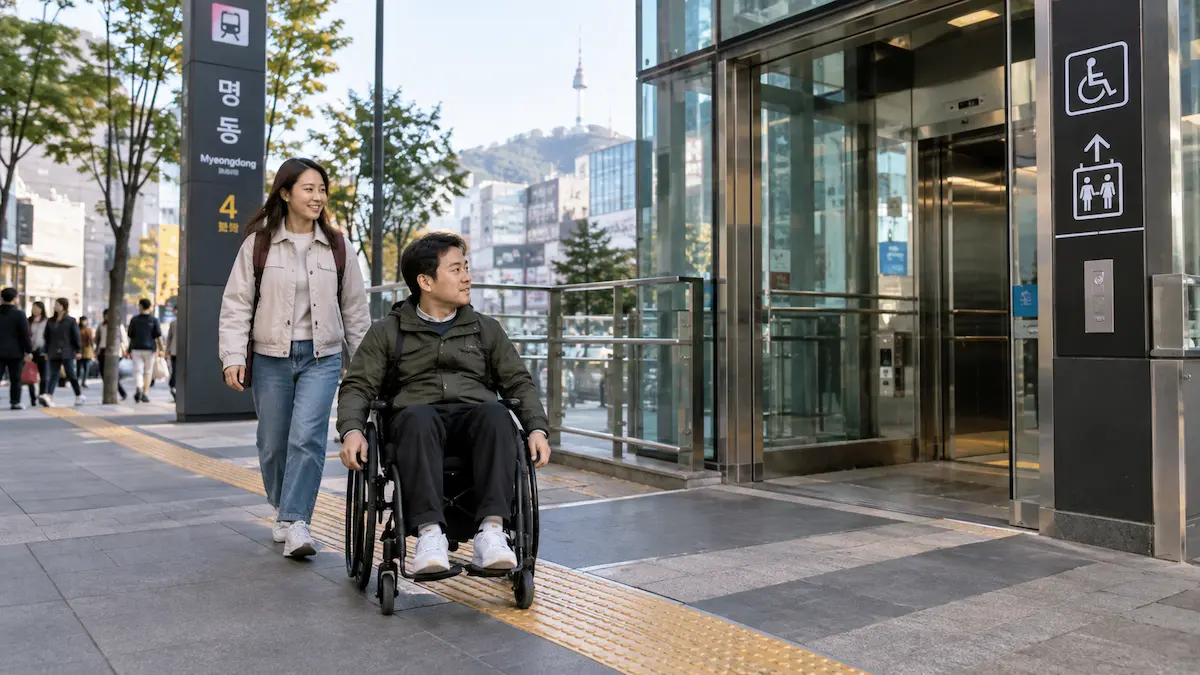
Travel in Korea can be comfortable, but it can also be tiring. A visitor may spend the morning walking through a palace, take the subway across the city, meet a friend for lunch, stop by a market, and then move again to a museum, café, or shopping district. The distances may not always look long … Read more

The Learning Curve Behind Korea’s Digital Convenience

Korea often feels convenient because many small tasks can be done quickly. A meal can be ordered at a kiosk. A café order can be placed from a table. A movie ticket can be scanned from a phone. A department store floor can be found on a touchscreen map. A bus arrival time, subway route, … Read more

When Maps Are Not Enough: Finding Help While Traveling in Korea

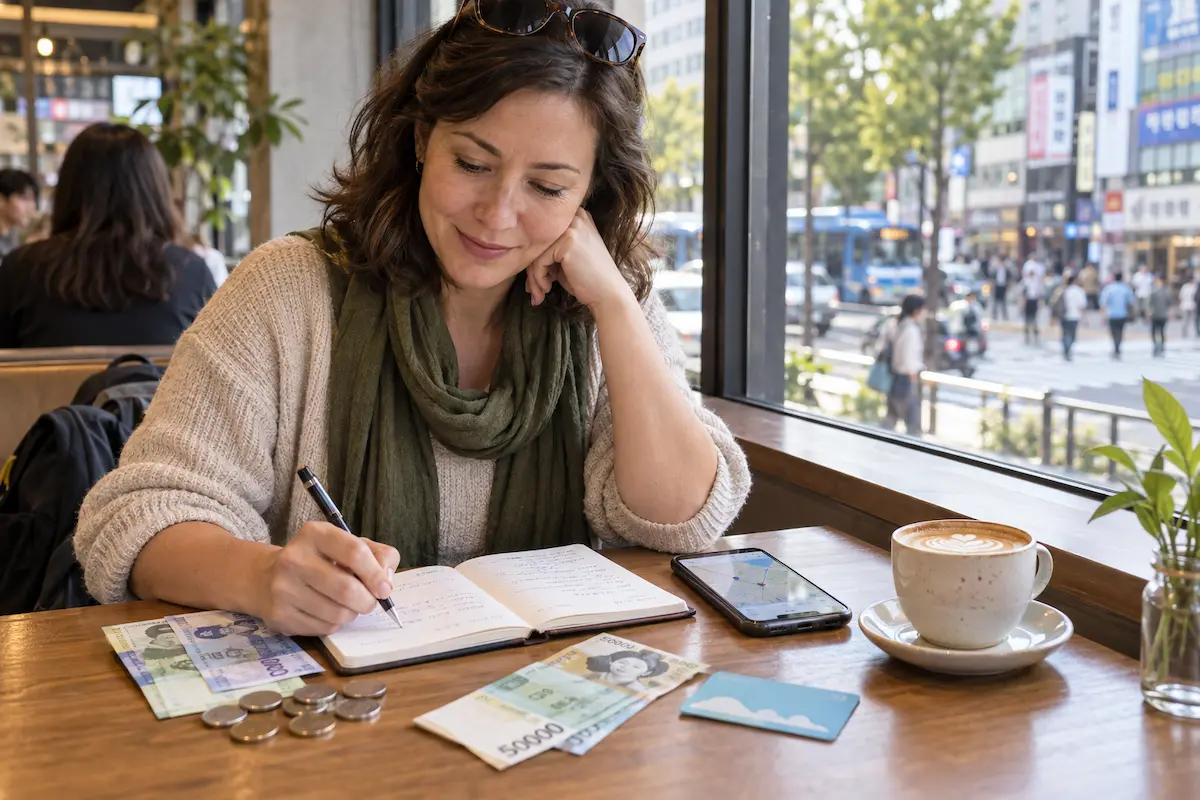
Most people in Korea use map apps without thinking too much about it. Even locals check directions when they visit an unfamiliar restaurant, café, office, hospital, station, or meeting place. It is normal to open a map app before leaving home, check the subway exit, compare walking routes, and look at the estimated arrival time. … Read more

The Restroom Question Every Korea Visitor Eventually Asks

Public restrooms are not usually the first thing people think about when planning a trip to Korea. Most visitors search for hotels, transport cards, food, shopping areas, and day trips. Restrooms are rarely part of the exciting side of travel planning. But anyone who has travelled for many years knows that this small detail can … Read more

Subway Lockers in Korea: When They Help and When They Do Not

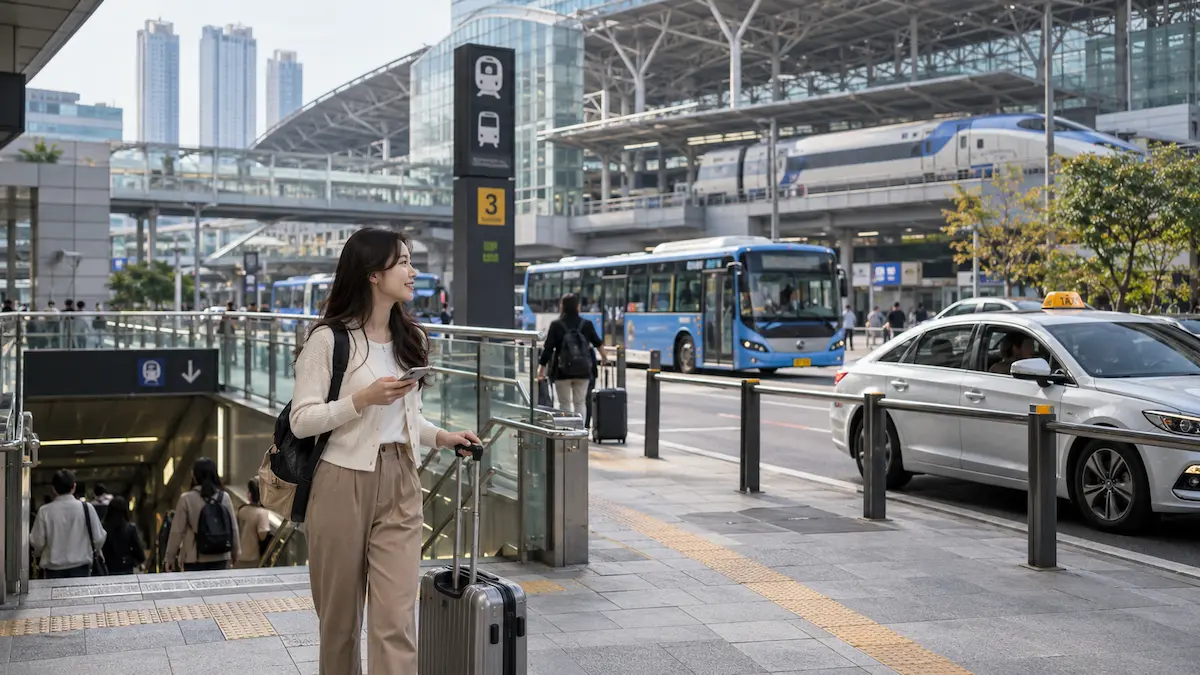
Arriving in Korea with a suitcase is not always difficult. In many cases, the airport train, taxis, hotels, and large stations make the first day of travel fairly manageable. The harder moments often come in between. A traveller lands in the morning, but hotel check-in is not until the afternoon. Another traveller checks out before … Read more

How Korean Convenience Stores Work as Everyday Service Hubs

In Korea, a convenience store is not only a place to buy a drink or a quick snack. For many visitors, it becomes one of the first places that helps with small daily problems. It may be where they recharge a transportation card, buy an umbrella during sudden rain, find a simple meal late at … Read more

Why Emergency Alerts Appear on Phones in Korea

Sticky note card news explaining why emergency alerts appear on phones in Korea, including loud sounds, Korean messages, and location-based alerts.

A phone suddenly makes a loud sound in a café, subway car, hotel room, or apartment. A message appears in Korean. People nearby glance at their screens, check the message quickly, and then continue what they were doing. For many visitors and foreign residents in Korea, this can be confusing at first. The alert may … Read more

How Korean Transportation Cards and Transfer Rules Work

Using public transportation in Korea becomes much easier once you learn one small habit: tap your card when you get on, and tap it again when you get off. Many visitors learn the first part quickly. They tap a card at a subway gate or when boarding a bus. The second part is where mistakes … Read more

How to Read Korean Addresses: Road Names, Building Numbers, and Delivery Details

Whiteboard-style card news explaining how to read Korean addresses, including road name addresses, land-lot addresses, building numbers, and delivery details.

Reading a Korean address can feel confusing at first. A visitor may see one address on a hotel booking page, another version on a map, and a slightly different version in a delivery app. A foreign resident may receive a lease contract with Korean words, a building name, a floor number, and a room number, … Read more

How Korea’s Trash Sorting System Works: Food Waste, Recycling, and General Trash Explained

For many people who arrive in Korea for the first time, trash disposal becomes one of the first small problems of daily life. It is not always the subway system, the language, or the food that causes confusion. Sometimes it is something much more ordinary: a chicken bone after dinner, a plastic delivery container, a … Read more