How Side-Dish Refills Work at Korean Restaurants
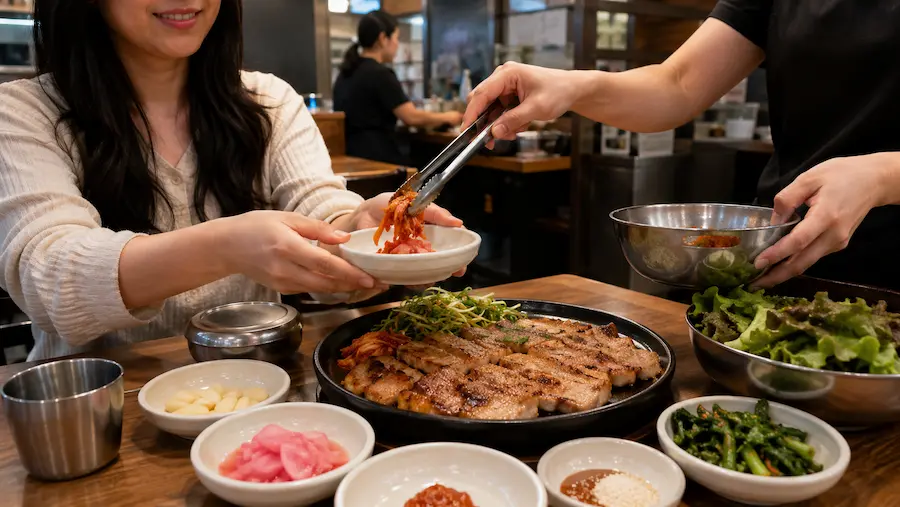
Restaurant staff refilling kimchi side dish for a customer at a Korean restaurant

A Korean meal may arrive with several small dishes placed around the main food. Kimchi, seasoned vegetables, pickles, sauces and other small dishes are commonly called banchan, or side dishes. They are an ordinary part of many Korean meals rather than separate appetisers that must always be ordered individually. Basic side dishes can often be … Read more
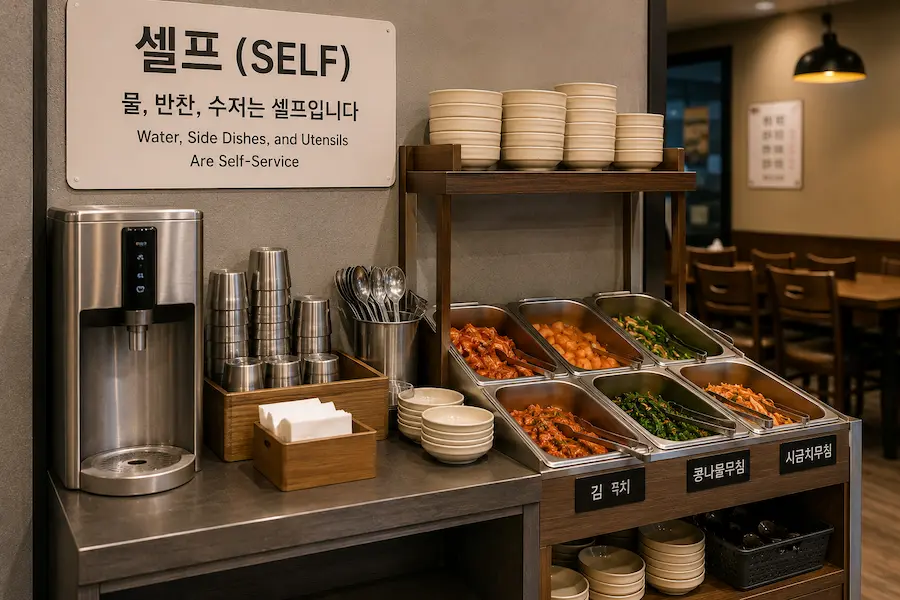
Self-Service in Korean Restaurants: Water, Side Dishes, and What to Check

Self-service water, utensils, and side dish station inside a Korean restaurant

You sit down at a Korean restaurant, place your order, and wait for water. A few minutes pass, but no one brings it. Then you notice another customer walking to a water dispenser near the wall and filling a cup. The restaurant may not have forgotten your table. Water could simply be self-service. Self-service in … Read more

Why Korean Restaurants Have Call Buttons: How to Ask for Help at the Table

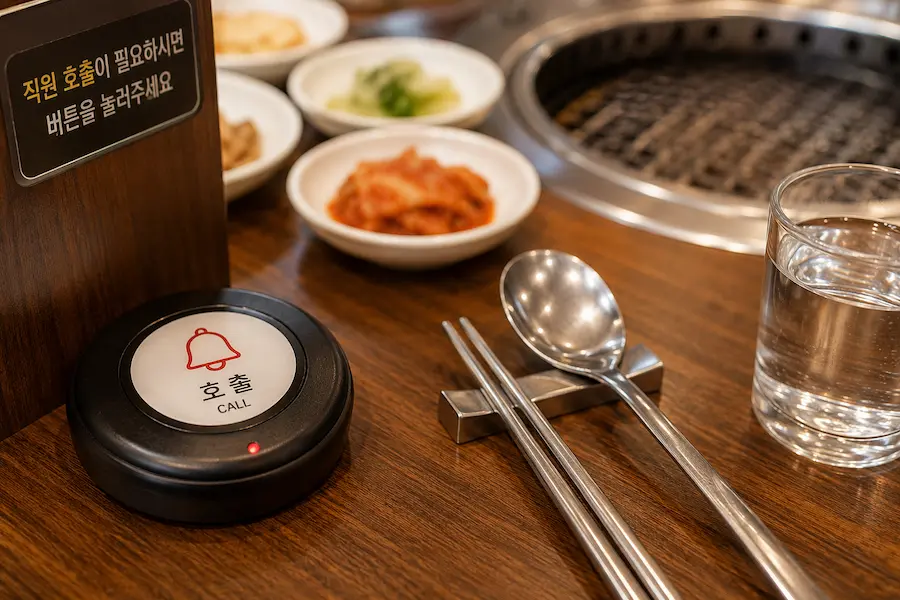
Korean restaurant call button beside metal chopsticks, a spoon, water, and side dishes

A small button on a restaurant table can be confusing when you do not know what it is for. A Korean restaurant call button is usually used to let staff know that someone at the table needs assistance. You may find it near the edge of the table, attached to a wall, or included in … Read more

Korean Chopsticks and Table Manners: A Practical Guide for Korean Meals

A calm guide to how chopsticks, spoons, side dishes, and basic manners work together at a Korean table. Why Korean Chopsticks Can Feel Unfamiliar at First Korean chopsticks can feel unfamiliar to many international visitors, even if they have used chopsticks before. The shape, material, and table habits may be different from what people have … Read more

Seoul After Dark: Pojangmacha, Gwangjang Market, and Korea’s Late-Night Street Food Culture

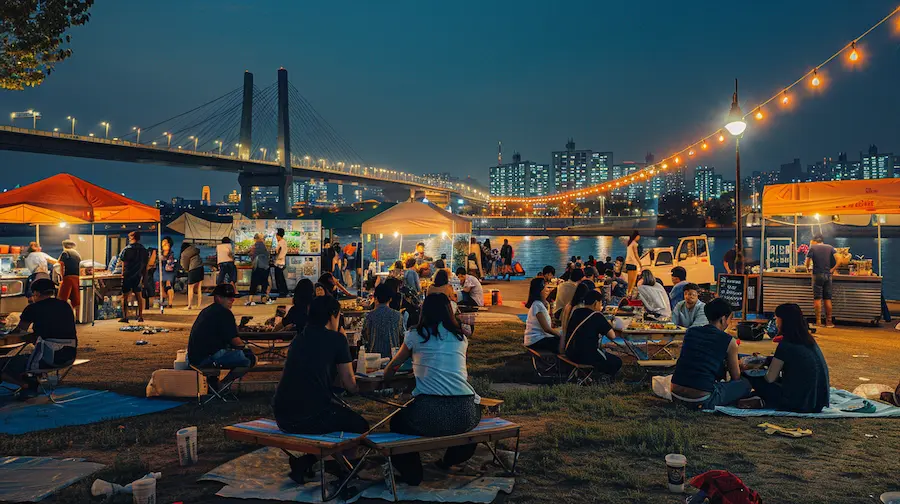
Glowing orange pojangmacha tents lining a street in Seoul, South Korea at night, with food stalls and local diners visible inside

Seoul feels different after dark. During the day, Jongno is busy but practical. People move quickly between subway exits, offices, cafés, pharmacies, old shopping streets, and small restaurants. But in the evening, especially around Jongno 3-ga Station, the mood changes. Small tables appear. Plastic stools fill narrow spaces. Steam rises from pans, and people gather … Read more

The Patient Taste Beneath the Korean Table

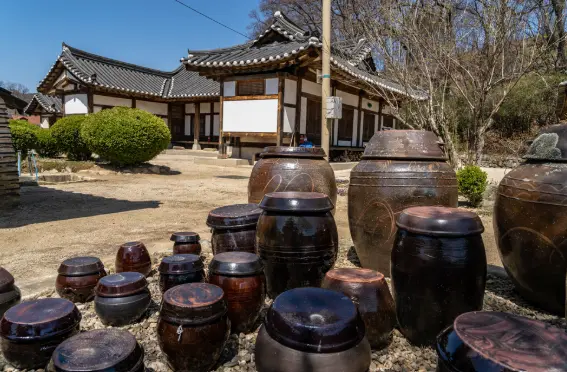
Traditional Korean Onggi jars on a jangdokdae used for food fermentation

Korean fermented food is often introduced overseas through one word: kimchi. That is understandable. Kimchi is the most familiar Korean fermented food for many foreign readers. But inside Korea, fermentation is much wider than one dish. It lives in kimchi jars, soybean pastes, soy sauce, red pepper paste, pickled vegetables, fermented side dishes and the … Read more

Seoul Dining : A Quieter Way to Waste Less at the Table

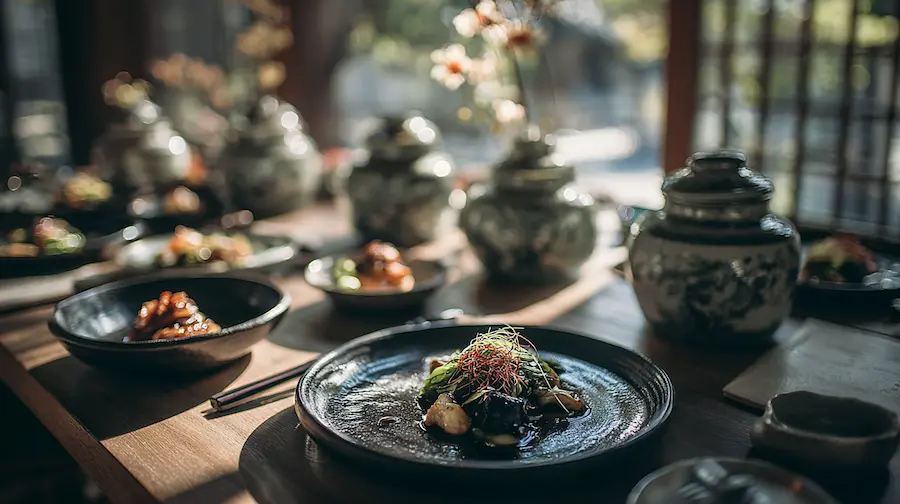
Modern Korean cuisine featuring seasonal vegetables, fermented ingredients, and traditional Korean food culture in Seoul.

Seoul’s food culture is often introduced through barbecue, street food, cafés, fried chicken and late-night restaurants. Those are all part of the city. But another side of Seoul dining has become easier for foreign visitors to notice: restaurants and food experiences that pay closer attention to seasonality, waste, farming, fermentation and plant-forward cooking. This should … Read more