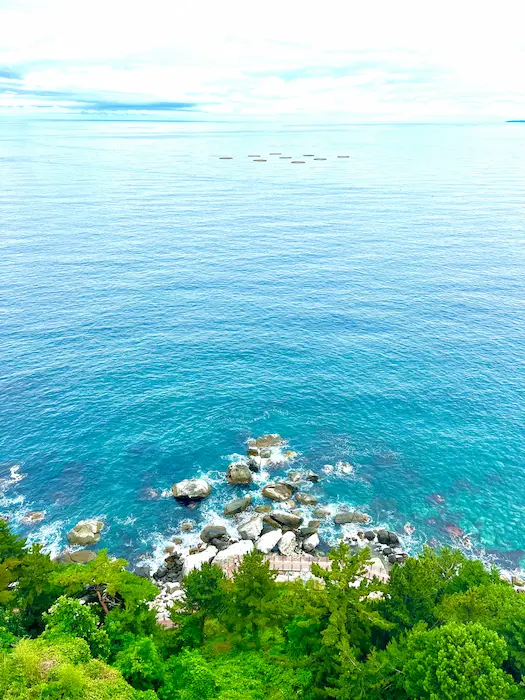
Korea local travel is becoming more important in 2026 because many visitors want to experience more than famous landmarks, shopping streets and K-pop locations. Palaces, beauty stores, food streets and major districts still matter, but more travellers are also spending time in neighbourhood cafés, traditional markets, hanok stays, regional cities and ordinary streets where daily life continues.
K-pop shops, beauty stores and food streets still shape the way many visitors imagine Korea before they arrive.
These places remain important.
They are easy to find, easy to understand and closely connected to the image of Korea that appears across social media, travel videos and global entertainment.
But a Korea trip does not have to end where the postcard begins.
In 2026, more foreign travellers are showing interest in experiences that feel closer to daily life:
neighbourhood cafés
traditional markets
hanok stays
local food
temple stays
regional cities
quiet streets
and places where ordinary life continues
For many visitors, Korea is becoming not only a place to see.
It is becoming a place to spend time in.
That difference changes the way an itinerary is planned.
Quick Guide to Korea Local Travel in 2026
Korea local travel does not mean avoiding famous places.
It means placing famous places inside a wider and slower trip.
| Travel element | What it means for visitors |
|---|---|
| Neighbourhood cafés | Rest, observe daily life and understand how Koreans use cafés |
| Traditional markets | See food, work, conversation and local routines in one place |
| Hanok stays | Experience traditional space carefully, not only as a photo setting |
| Local food | Notice meal habits, side dishes, bakeries, cafés and convenience stores |
| Regional cities | Add Busan, Jeonju, Gyeongju, Gangwon or Jeju for a wider view |
| Technology | Use map apps, translation tools and transport apps to reduce friction |
| Slower planning | Spend half a day in one area instead of moving constantly |
| Responsible travel | Respect markets, residential areas, religious sites and local communities |
The simple point is this:
Korea local travel is not about finding a secret place.
It is about giving enough attention to the places visitors already pass through.
Why Korea Local Travel Goes Beyond Famous Landmarks
A fast itinerary can be exciting.
It can also become tiring.
Some visitors still want to see as much as possible in a short time.
That is understandable, especially on a first trip.
Palaces, shopping streets, K-pop locations, major museums and famous food areas are still part of Korea’s travel appeal.
But other travellers are beginning to plan differently.
Instead of moving from one landmark to another all day, they spend more time in one area.
They sit in a café.
They walk through a market.
They visit a small bakery.
They eat at a local restaurant.
They notice how the neighbourhood moves around them.
In Seoul, areas such as Seochon, Ikseon-dong, Mangwon, Euljiro and Seongsu show this change well.
They are not hidden places anymore.
That should be said clearly.
They are already photographed, reviewed and shared online.
But they still offer something different from large tourist districts.
They give visitors a way to see cafés, food shops, small stores, alleys and daily routines together.
For foreign readers, this matters because it changes the planning method.
Instead of asking only “What are the famous places in Seoul?”, a visitor can ask:
“Which neighbourhood deserves half a day?”
A slower plan does not always mean doing less.
It often means noticing more.
Traditional Markets Show Everyday Korea Clearly
Traditional markets are one of the most direct ways to see everyday Korea.
Markets such as Gwangjang Market, Namdaemun Market, Mangwon Market and regional markets combine food, shopping, noise, conversation and routine.
Visitors may see vendors preparing food, residents buying vegetables, office workers eating quick meals and families sharing snacks.
These scenes may look ordinary to Koreans, but they often feel vivid to foreign travellers.
Markets are not only places to buy food.
They are places where visitors can see how food culture, work and community meet.
Still, travellers should be respectful.
A market is not a stage.
It is a workplace.
Visitors should avoid blocking narrow paths, taking close-up photos of vendors without permission or treating busy food alleys like photo studios.
The best market visit is not the loudest one.
It is the one where the visitor remembers that someone else is working there.
That awareness makes Korea local travel more respectful and more meaningful.
Hanok Stays Offer a Slower Kind of Memory
A hanok stay gives travellers a different kind of Korean experience.
A hanok is a traditional Korean house, often associated with wood, tiled roofs, floor-based living and a small courtyard.
Staying in one can feel very different from staying in a modern hotel.
Visitors may notice the warmth of the floor, the quietness of the courtyard, the lower seating style and the slower pace of the surrounding streets.
Bukchon, Seochon and Jeonju Hanok Village are well-known examples.
But travellers should remember one important point.
Some hanok areas are still residential neighbourhoods.
People live there, work there and raise families there.
For that reason, responsible travel matters.
Visitors should avoid loud behaviour, respect private homes and support local businesses instead of treating the area like a theme park.
This is especially important in places such as Bukchon, where visitor restrictions and resident protection measures have become part of the travel conversation.
A hanok stay is not only about sleeping in a beautiful room.
It is about entering a slower space carefully.
That care is part of the experience.
Korean Food Culture Is More Than Famous Dishes
Korean food is one of the strongest reasons many visitors choose Korea.
Many people arrive already knowing kimchi, Korean barbecue, bibimbap, tteokbokki or fried chicken.
These dishes are worth trying, but they are not the whole food story.
After spending time in Korea, visitors often notice smaller habits.
Side dishes appear with many meals.
Soup restaurants open early.
Bakeries become busy in the afternoon.
Cafés are used for study, work, dates and long conversations.
Convenience stores near parks and rivers become casual dining spaces.
These details help visitors understand Korean daily life more naturally.
Food travel in Korea is not only about famous dishes.
It is also about seeing how people eat together, how meals fit into work life and how cafés have become part of social culture.
A famous dish gives a traveller one memory.
A meal pattern gives the traveller context.
That context often remains after the trip is over.
Drinking Culture Should Be Explained Carefully
Some travellers are curious about Korean drinking culture because it appears in dramas, films and social media.
Small sool-jib, barbecue restaurants and late-night eateries can show how friends, colleagues and families spend time together.
Visitors may notice shared dishes, people pouring drinks for one another and groups staying at the table for a long time.
But this topic should not be romanticised.
Not every Korean drinks.
Some people avoid alcohol completely.
Younger generations are also changing their habits.
For travellers, the useful point is not alcohol itself.
It is the social setting:
shared food
conversation
table manners
group rhythm
and the way people spend time together
Alcohol should never be presented as a required part of a Korea trip.
The better lesson is that Korean social life often gathers around the table.
That can be understood with or without drinking.
Technology Helps, but Local Experience Matters More
Korea is often described as convenient, fast and digitally connected.
Public transport is efficient.
Internet access is strong.
Translation apps, map services and digital payment systems make travel easier than before.
But technology alone does not explain Korea’s appeal.
What many visitors remember is the contrast.
Seoul can feel fast and modern.
The same city also has old markets, mountain paths, temples, hanok alleys, family-run restaurants and quiet residential streets.
This contrast gives Korea a layered travel experience.
It is modern without being only modern.
It is traditional without feeling frozen in the past.
For visitors, that contrast is often more memorable than any single attraction.
Korea local travel works best when technology makes the trip easier, but the memory comes from the place itself.
Regional Travel Makes Korea Local Travel Wider
Seoul is still the main gateway for many foreign visitors.
But Korea’s travel story is wider than the capital.
Busan offers coastlines, seafood markets and film culture.
Jeonju is known for hanok, food and traditional atmosphere.
Gyeongju connects visitors with ancient history.
Gangwon has mountains, beaches and winter travel.
Jeju remains one of Korea’s best-known natural destinations.
For travellers who stay longer, adding one regional destination can make the trip feel more complete.
This also helps reduce pressure on a few crowded areas in Seoul and supports local economies outside the capital.
The important point is not to rush through three cities just to say they were visited.
Regional travel works best when the visitor gives the place enough time.
A train ticket can move the body quickly.
Understanding a place still takes time.
Korea Travel is Becoming More About Everyday Lifestyle
Korea’s travel image is also expanding through everyday lifestyle experiences.
Some visitors come to Korea not only for sightseeing, but also to explore skincare shops, cafés, local markets, neighbourhood streets, and quiet places to rest.
This trend is connected to the global popularity of K-beauty, Korean food, cafés, and the country’s detailed service culture.
This does not mean every traveller visits Korea for beauty-related reasons.
It also does not mean visitors should make personal purchases or service choices casually.
For foreign visitors, beauty shops, food, cafés, markets, and neighbourhood walks can all become part of one Korea trip.
The safer point is this:
Korea is increasingly being understood through daily lifestyle experiences, not only through famous landmarks.
Travel should remain thoughtful, especially when it involves personal care, paid services, or unfamiliar products.
Practical Tips for a Slower Korea Trip
A slower Korea trip does not need to be expensive.
Spend half a day in one neighbourhood instead of moving constantly.
Visit a traditional market before lunchtime, when local customers are active.
Try one small restaurant or bakery that is not part of a famous chain.
Use cafés as places to rest and observe daily life, not only as photo spots.
Respect residential areas, especially hanok neighbourhoods.
Add one regional city if your schedule allows.
Learn a few basic Korean phrases before visiting small local shops.
Check opening hours before visiting markets, cafés or independent stores.
Avoid treating local communities as background scenery.
In travel planning, the order matters.
First, choose the rhythm.
Then choose the places.
A good itinerary should not only ask where to go.
It should ask how much attention each place deserves.
What Korea Local Travel Says About 2026
Korea’s tourism image is changing because visitors are becoming more specific about what they want.
Some still want K-pop, shopping and famous landmarks.
Others want food, neighbourhoods, quiet places, local culture, regional travel and everyday scenes.
These interests can exist together.
A traveller may visit a palace in the morning, eat at a market for lunch, spend the afternoon in a quiet neighbourhood café and take a train to another city the next day.
That kind of trip shows Korea more honestly than a checklist alone.
It does not reject famous places.
It places them inside a wider journey.
This is one reason Korea local travel matters in 2026.
It helps visitors see Korea as a lived-in country, not only a collection of famous images.
Local Note from Korea
For people living in Korea, the places visitors photograph are often ordinary parts of the day.
A market is where someone buys vegetables.
A café is where someone studies or rests.
A hanok alley may be someone’s way home.
A small restaurant may be a family business, not a travel attraction.
This does not mean visitors should avoid these places.
It means they should enter them with awareness.
The best local travel is not about pretending to be a local.
It is about noticing that local life is already happening around you.
When travellers remember that, the trip becomes more respectful and more interesting.
Final Takeaway
Korea’s famous tourist attractions are still worth visiting.
Palaces, shopping streets, K-pop sites and major landmarks remain part of the country’s appeal.
But the deeper travel experience often begins after those places.
It begins in markets, cafés, hanok courtyards, side streets, local restaurants and ordinary neighbourhoods where daily life continues around the visitor.
For many foreign travellers, this is becoming one of Korea’s strongest charms:
a country where modern speed, local warmth, food culture and everyday detail exist side by side.
The landmark may start the trip.
The ordinary street often gives it memory.
Travel and culture information notice: This article is for general travel and cultural information only. It does not recommend any specific travel company, medical service, beauty clinic, restaurant, hotel, market vendor or paid programme. Opening hours, visitor rules, transport schedules, neighbourhood restrictions, beauty service regulations, prices and local conditions can change. Travellers should check official tourism information, local notices, service providers and current travel guidance before making plans.