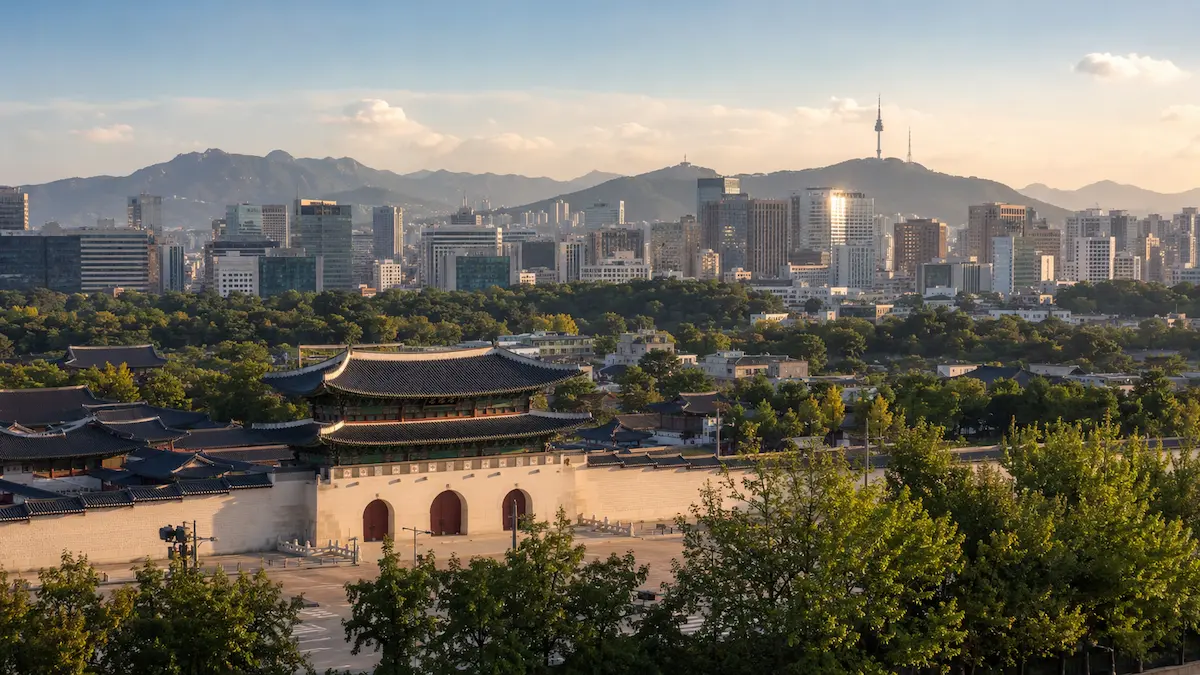
Planning 3 days in Korea is enough for a rewarding first visit if you keep the route realistic. This itinerary focuses on Seoul’s essential historic sites, neighbourhoods, markets, local food and evening views.
Three days in Seoul can give first-time visitors a balanced introduction to the city when each day is planned by area. This itinerary combines historic landmarks, traditional neighborhoods, local food, and modern city life while keeping unnecessary cross-city travel to a minimum.
Use this itinerary as a practical framework rather than a strict schedule. Weather, opening hours, and personal pace can change, so leave some flexibility in each day.
At a Glance
- Day 1 — Historic Seoul: Palaces, traditional neighborhoods, and Insadong
- Day 2 — Markets and City Views: Local food, central Seoul, and an evening viewpoint
- Day 3 — Modern Seoul: Contemporary neighborhoods, shopping, cafés, and nightlife
How to Spend 3 Days in Korea
The following route groups nearby attractions together to reduce unnecessary travel and keep each day manageable.
Day 1: Historic Seoul
Spend your first day exploring Seoul’s royal history, traditional neighborhoods, and walkable central districts. Starting early will help you avoid the busiest crowds and keep the day comfortable.
Morning: Gwanghwamun and Gyeongbokgung Palace
Begin at Gwanghwamun Square and walk toward Gwanghwamun Gate, the main entrance to Gyeongbokgung Palace.
Inside the palace, focus on the main halls, courtyards, and mountain views rather than trying to see every corner. Allow enough time to walk slowly and appreciate the scale and details of the complex.
Check the official opening hours and scheduled closing days shortly before your visit, as they may change by season or special event.
Late Morning: Bukchon Hanok Village
Continue to Bukchon Hanok Village, where traditional Korean houses remain among modern neighborhoods.
Bukchon is a residential area, not an open-air museum. Keep your voice low, follow local signs, avoid photographing private homes too closely, and respect any restricted-access areas.
The neighborhood includes hills and uneven lanes, so comfortable walking shoes are recommended.
Lunch and Afternoon: Insadong and Ikseon-dong
Head to Insadong for lunch, traditional tea, crafts, galleries, and souvenir shopping. The main street is easy to explore, but smaller side streets often offer a quieter atmosphere.
If you still have time and energy, continue to nearby Ikseon-dong for narrow alleys, cafés, small restaurants, and renovated hanok buildings.
Insadong and Ikseon-dong can feel similar in parts, so it is fine to spend more time in one area instead of rushing through both.
Evening: Cheonggyecheon Stream
Finish the day with a relaxed walk along Cheonggyecheon Stream. You do not need to follow the entire stream—choose a short central section and stop for dinner nearby.
This is also a useful opportunity to slow down after a full day of walking and adjust the rest of your itinerary if needed.
Suggested Route
- Gwanghwamun Square → Gyeongbokgung Palace
- Gyeongbokgung Palace → Bukchon Hanok Village
- Bukchon Hanok Village → Insadong
- Insadong → Ikseon-dong (optional)
- Ikseon-dong → Cheonggyecheon Stream
Practical Tips
- Wear comfortable shoes because the route includes considerable walking.
- Carry water, especially during warm or humid weather.
- Check official palace opening hours and closing days before visiting.
- Keep your voice low and follow access notices in Bukchon.
- If you feel tired or the weather is poor, skip Ikseon-dong and finish the afternoon in Insadong.
Day 2: Markets and City Views
Explore Seoul’s lively markets, contemporary architecture, central shopping streets, and an evening viewpoint. Keep the route flexible so you can spend more time in the places that match your interests.
Morning: Gwangjang Market
Start at Gwangjang Market and walk through the food lanes before choosing breakfast or an early lunch. The market is busy and compact, so look at several stalls instead of ordering at the first one.
Try one or two small dishes rather than treating every popular food as a checklist. Common choices include mung-bean pancakes, dumplings, noodles, gimbap, and seasonal snacks, although availability varies by stall.
Vendor hours and accepted payment methods can differ. Check current market information before visiting and carry a backup payment method.
Late Morning: Dongdaemun Design Plaza
Continue to Dongdaemun Design Plaza for contemporary architecture, public spaces, exhibitions, and a clear contrast with the historic districts from Day 1.
Walk around the exterior and nearby streets at your own pace. If you want to enter an exhibition, confirm the current schedule, admission details, and closing days on the official website before your visit.
Afternoon: Myeongdong and Namdaemun Market
Travel west to Myeongdong for shopping, cafés, cosmetics, and busy pedestrian streets. Treat it as a flexible stop rather than trying to visit every shop.
If you prefer a more traditional market atmosphere, add nearby Namdaemun Market. It is better to explore one area comfortably than to rush through both.
Evening: Namsan and Seoul City Views
Finish the day at Namsan for an evening view over Seoul. Depending on the weather, your energy, and current transport operations, walk part of the route or use available public transport.
You do not have to enter the tower observatory to enjoy the area. Outdoor viewpoints can still provide memorable city views.
Weather can reduce visibility, and sunset periods may be busy. Check current access, operating information, and ticket requirements before going.
Suggested Route
- Gwangjang Market → Dongdaemun Design Plaza
- Dongdaemun Design Plaza → Myeongdong
- Myeongdong → Namdaemun Market (optional)
- Myeongdong or Namdaemun Market → Namsan
- Namsan → Your accommodation
Practical Tips
- Arrive at the market hungry, but avoid ordering too much at the first stall.
- Carry a small amount of cash or another payment option as a backup.
- Use the subway or bus between districts to reduce unnecessary walking.
- Check the weather and visibility before committing to an evening viewpoint.
- If you feel tired, skip Namdaemun Market and keep the evening relaxed.
Day 3: Modern Seoul
Spend your final day exploring Seoul’s contemporary neighborhoods, independent cafés, local markets, riverside spaces, and evening culture. This route stays in western Seoul, which keeps travel time manageable and leaves room for spontaneous stops.
Morning: Yeonnam-dong and Gyeongui Line Forest Park
Begin near Hongik University Station and walk through Gyeongui Line Forest Park toward Yeonnam-dong. The former railway corridor is now a long neighborhood park lined with cafés, small restaurants, bookstores, and independent shops.
Choose one café rather than trying to visit several. Weekday mornings are usually calmer, while weekends become busier later in the day.
Explore the side streets slowly, but remember that many buildings are homes and working businesses. Keep noise low and avoid blocking narrow entrances while taking photos.
Late Morning and Lunch: Hongdae
Continue toward Hongdae for street fashion, design shops, music culture, and lively pedestrian areas. The neighborhood covers a wide area, so focus on the streets that match your interests instead of trying to walk through everything.
Stop for lunch at a local restaurant or casual food spot. Popular businesses can have queues, so keep a second option nearby.
Shops and cafés may open later than expected. If shopping is important, plan this section closer to midday rather than very early in the morning.
Afternoon: Mangwon Market and Mangwon Hangang Park
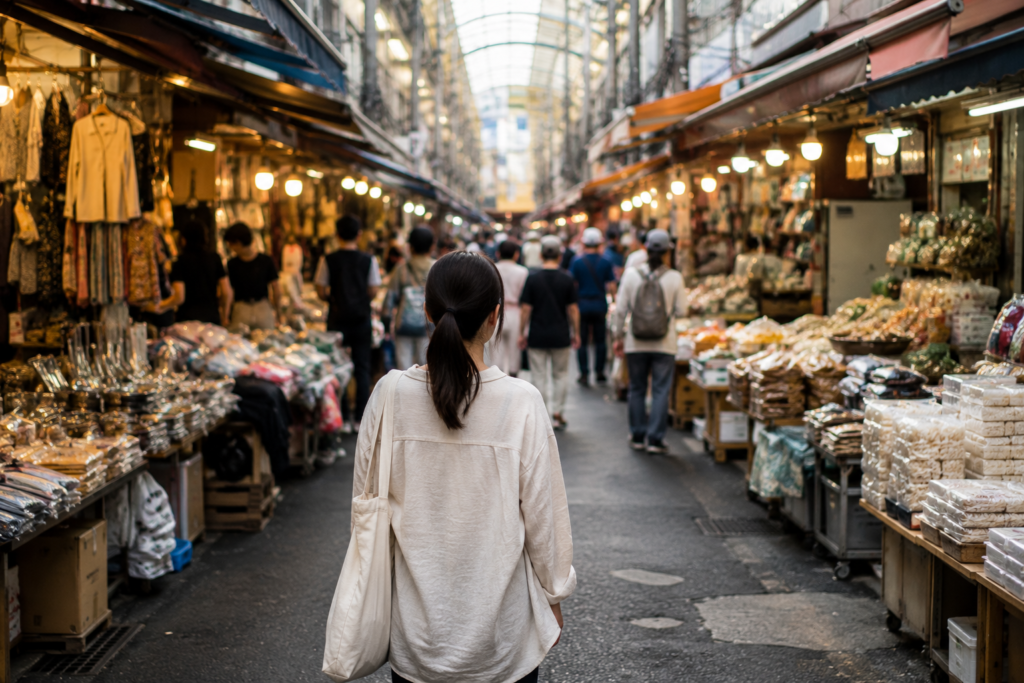
Take the subway or bus to Mangwon Market for a more local neighborhood atmosphere. Browse first, then choose a few small dishes or snacks instead of buying too much at the first stall.
From the market, continue to Mangwon Hangang Park if the weather is comfortable. The riverside is a good place to rest, walk, or enjoy a simple picnic before returning to Hongdae.
Check the weather, air quality, and sunset time before planning a long river visit. In rain, extreme heat, or poor visibility, spend more time in Mangwon’s cafés and shops instead.
Evening: Hongdae After Dark
Return to Hongdae for dinner and an evening walk. The area becomes livelier after dark with restaurants, shops, performances, and nightlife.
Choose the atmosphere that suits you: a quiet café, casual bar, live-music venue, or simply a walk through the main streets. Check age restrictions, admission rules, last-entry times, and public transport before entering any venue.
Keep valuables secure in crowded areas and plan your return route before the last train or bus.
Suggested Route
- Hongik University Station → Gyeongui Line Forest Park
- Yeonnam-dong → Hongdae
- Hongdae → Mangwon Market
- Mangwon Market → Mangwon Hangang Park
- Mangwon Hangang Park → Hongdae
Practical Tips
- Start slowly; many cafés and shops open later in the morning.
- Use public transport between Hongdae and Mangwon to save energy.
- Carry a backup payment method and a small amount of cash for markets.
- Check the weather and air quality before visiting the Han River.
- Avoid overplanning cafés and shops; leave time for places you discover while walking.
- Confirm your late-night transport before staying out.
Final Thoughts
With realistic travel times and a focused route, 3 days in Korea can provide an excellent introduction without making the trip feel rushed.