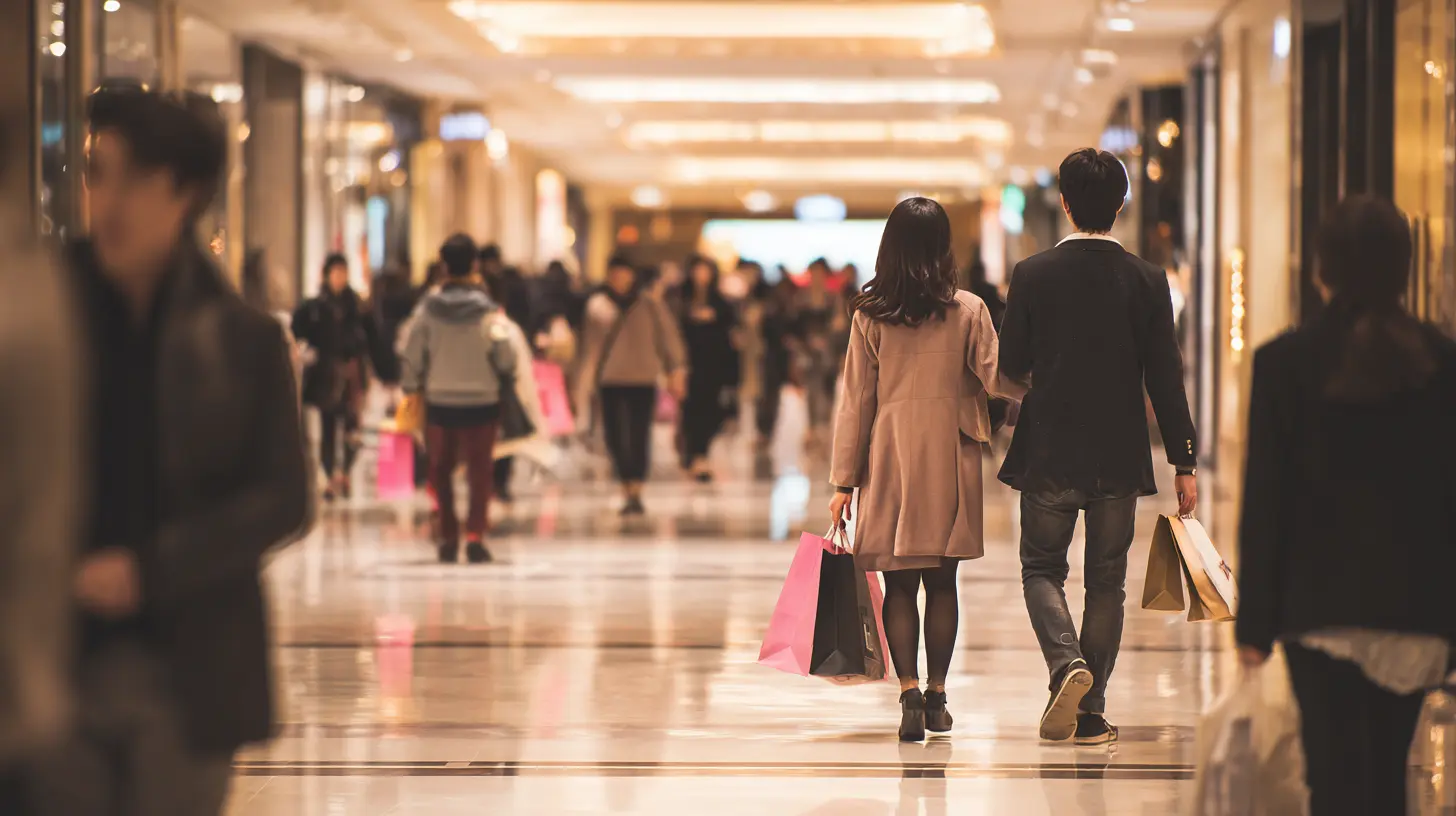
Seoul is one of Asia’s most active shopping cities.
Visitors come for skincare, fashion, electronics, eyewear, department stores, local designer brands and carefully curated lifestyle shops. Some travellers also plan larger purchases during their trip, especially when the exchange rate looks favourable.
But shopping in Korea should not be understood only through the sticker price.
A product may look cheaper at first. After card fees, exchange-rate differences, tax refund rules, customs duties and warranty limits, the final cost can look different.
For visitors, the most useful question is simple:
What will this purchase actually cost after all rules and fees are included?
Exchange Rates Can Change the Real Price
Foreign visitors often notice the value of the Korean won against the US dollar, euro, pound, yen or other currencies.
When the won is weaker, Korea may feel more affordable for some travellers. This can affect hotels, meals, transport and shopping. It can also make certain high-value items look more attractive than they would at home.
Still, exchange rates are not the same as the price a traveller finally pays.
Currency conversion apps usually show market rates. A bank, card issuer or payment platform may use a different rate. Some cards also charge foreign transaction fees. At payment terminals, visitors may sometimes be offered a price in their home currency instead of Korean won. This is called dynamic currency conversion, and the rate may not always be favourable.
For expensive purchases, even a small percentage difference can matter.
That is why visitors should compare the final payment amount, not only the price tag.
Tax Refunds Are Useful, But They Have Conditions
Korea has a tax refund system for eligible foreign tourists.
In general, visitors may receive a refund of domestic tax, such as VAT, on eligible goods bought at participating tax-free stores. Some stores can process an immediate refund within set limits. Other purchases may require a refund kiosk, refund counter or airport procedure before departure.
This system can be helpful, but it is not automatic.
Not every store participates. Not every item qualifies. The refund amount may not be the same as the full tax amount a visitor expects. Documents also matter. If the right receipt or refund form is missing, the refund may be refused.
Before buying an expensive item, it is better to ask the store a few direct questions.
Is this item eligible for tax refund?
Is the refund immediate or processed later?
Do I need my passport at the time of purchase?
What receipt or refund document should I keep?
Do I need to show the item at the airport?
Should the item remain unopened and unused until departure?
How will the refund be paid?
These questions are more reliable than assuming a tax refund will automatically make the purchase cheaper.
Customs Rules Still Apply After Leaving Korea
A Korean tax refund does not remove customs rules in another country.
This is an important point for visitors buying watches, bags, jewellery, cameras, electronics, beauty devices or other high-value goods.
After leaving Korea, travellers must follow the customs rules of the country they enter. Some countries have duty-free allowances. If a purchase exceeds the allowance, it may need to be declared and additional tax or duty may apply.
This means a product can receive a tax refund in Korea and still create a customs cost after the traveller returns home.
Travellers should check both sides before buying: Korea’s refund process and their own country’s import rules.
For small everyday purchases, this may not feel important. For high-value goods, it can change the final cost.
Be Careful With Resale Thinking
Some online posts present shopping abroad as a way to make money through exchange rates, tax refunds or resale prices.
Ordinary travellers should be careful with this idea.
Resale value depends on many factors: condition, model, paperwork, demand, authenticity checks, platform fees, shipping, customs duties and buyer trust. A product that appears profitable in a short social media post may not be profitable after all costs are counted.
Frequent buying and reselling may also create tax, customs or business registration issues depending on the country.
For most visitors, shopping in Seoul is safest when treated as personal shopping, not as a resale plan.
Where Visitors Commonly Shop in Seoul
Seoul has many shopping areas, each with a different character.
Myeongdong is convenient for cosmetics, fashion, street food and tourist-friendly tax refund stores. It is one of the easiest areas for first-time visitors to browse.
Gangnam and Apgujeong are known for department stores, premium cafés, clinics, local fashion labels and luxury boutiques.
Cheongdam-dong has designer stores and quieter high-end shopping streets.
Lotte Department Store Main Branch is convenient for visitors staying near Euljiro, Myeongdong or City Hall.
Shinsegae Department Store Gangnam is connected to a major transport and retail area.
The Hyundai Seoul in Yeouido is popular for lifestyle brands, pop-ups, food halls and modern retail design.
These areas are useful starting points, but location alone does not prove that a price is good. A well-designed store or famous department store can offer convenience and service, but visitors should still compare the final cost carefully.
What to Compare Before Buying
Before making a larger purchase, compare more than the Korean price.
Check the official price in Korea.
Check the official price in your home country.
Check the exchange rate your card will actually use.
Check foreign transaction fees.
Avoid choosing home-currency payment without checking the rate.
Ask whether the item is eligible for tax refund.
Check whether customs duty may apply when you return home.
Ask whether the warranty works outside Korea.
Keep receipts, refund documents and product documents together.
Warranty is easy to overlook.
Some electronics, watches, beauty devices or premium goods may have regional warranty limits. A product bought in Korea may not always be serviced easily in another country. If after-sales service matters, ask before paying.
Payment Details Matter
International credit cards are widely accepted at major department stores, boutiques and large retail shops in Seoul.
Even so, visitors should understand how their card works overseas.
Some cards charge foreign transaction fees. Some payment terminals may offer to charge in the visitor’s home currency. This looks convenient, but the exchange rate may be less favourable than paying in Korean won.
There is no single answer that fits every card. The safer step is to check the card issuer’s overseas payment terms before travelling.
For a small purchase, the difference may be minor. For a high-value item, it can be noticeable.
Tax Refund Steps in Simple Terms
The exact process depends on the store and refund operator, but the basic flow is usually similar.
Buy eligible goods at a participating tax-free store.
Show your passport if required.
Request the tax refund receipt or confirmation.
Keep the purchased goods, receipt and refund document.
Complete the refund process at the store, kiosk, refund counter or airport, depending on the system.
Complete customs confirmation if required before departure.
Do not throw away receipts.
Do not pack checked luggage too early if you may need to show the purchased goods at the airport.
If anything is unclear, ask the store staff, airport information desk or refund counter before leaving Korea.
What Visitors Should Remember
Seoul can be a satisfying shopping city. It has large department stores, local brands, beauty shops, lifestyle stores, pop-ups and neighbourhood shopping streets.
A weak won may improve purchasing power.
A tax refund may reduce part of the cost.
A department store may offer service and convenience.
A Korean store may carry stock that is hard to find elsewhere.
But none of these points guarantees a bargain.
The final cost depends on exchange rates, card fees, refund rules, customs duties, warranty terms and the rules of the traveller’s own country.
Good shopping content should not promise savings or profit. It should help visitors avoid surprises.
Final Thoughts
Shopping in Seoul can be enjoyable when visitors know what to check before buying.
The safest approach is to compare the final cost, not only the shelf price. Travellers should understand the tax refund process, keep documents, ask about warranty and check customs rules before making a large purchase.
Seoul offers many well-organised retail experiences.
The best way to enjoy them is with clear information and realistic expectations.
Note
This article is for general travel and shopping information only. It does not provide tax, customs, legal, resale or financial advice. Tax refund rules, exchange rates, store policies, customs allowances and card fees may change. Travellers should check official Korean tax refund information, airport guidance, their card issuer and their own country’s customs rules before making high-value purchases.
Sources and Further Reading
VISITKOREA — Duty Free & Tax Refunds
Visit Seoul — Tax Refund information
Korea Customs Service — Tax Refund information
Incheon International Airport — Domestic Tax Refund process
Google Search Central — Creating helpful, reliable, people-first content