What Mukbang Really Says About Korean Food Culture and Online Loneliness

A young man eating noodles alone at night while watching a mukbang video on his smartphone, illustrating the connection between loneliness, digital companionship, and the global mukbang phenomenon.

Mukbang is one of Korea’s most recognisable internet exports. The word combines the Korean words for eating and broadcasting. In a typical mukbang video, a creator eats while speaking to viewers, reacting to comments or simply letting the sounds and visuals of food become part of the experience. At first, it can look strange to … Read more

Why Jeju’s Food Industry Is Becoming More Than a Tourist Attraction

Jeju black pork grilling on a volcanic stone grill alongside fresh haenyeo-harvested abalone and Hallabong tangerines, set against Jeju Island's iconic basalt coastline and green volcanic mountain, representing Jeju's growing premium food industry.

Jeju Island is usually introduced through scenery. Visitors think of volcanic landscapes, tangerine orchards, black pork restaurants, seafood markets, haenyeo divers and quiet coastal villages. Food is already one of the main reasons many people travel to the island. But in recent years, Jeju’s food story has started to move beyond tourism. The island is … Read more

Why Korea’s Convenience Stores Are Becoming More Than Places to Buy Snacks

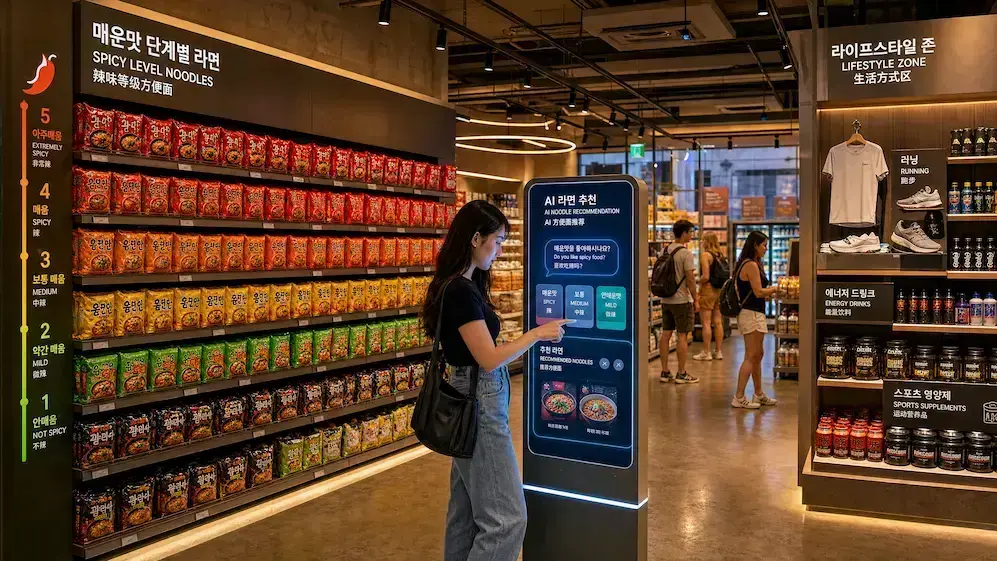
Inside a futuristic South Korean convenience store, a woman interacts with an AI recommendation kiosk beside a colour-coded wall of instant noodles sorted by spice level, with a lifestyle running zone visible in the background, illustrating how GS25 and CU are transforming into retail innovation labs.

When visitors first arrive in South Korea, convenience stores are hard to miss. GS25, CU, 7-Eleven and Emart24 appear near subway stations, apartment blocks, office towers and busy shopping streets. For many travellers, they are useful places to buy instant noodles, coffee, snacks, umbrellas, phone chargers or a quick late-night meal. But in Korea, convenience … Read more

Why Semiconductors Matter So Much in South Korea

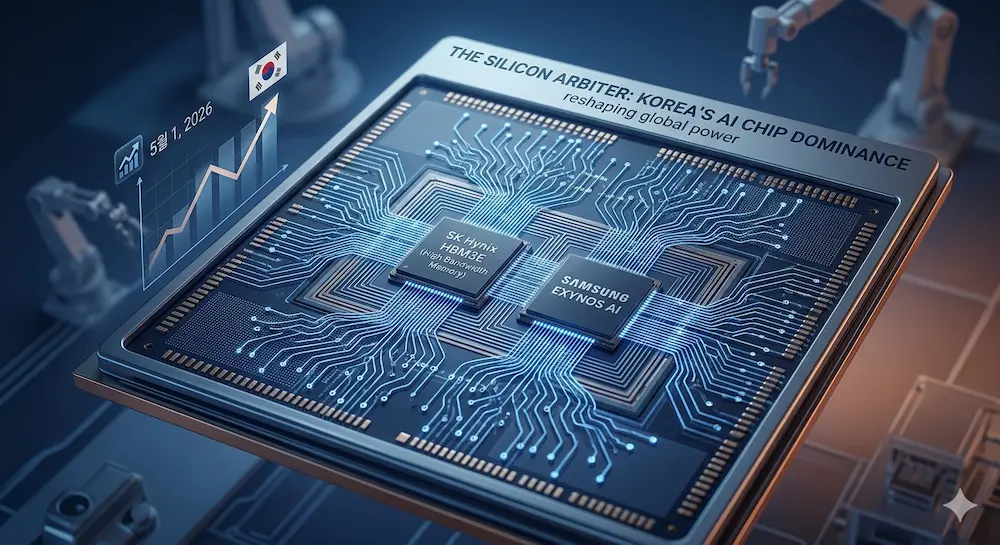
Close-up of a high-tech AI semiconductor chip with glowing circuits, featuring SK Hynix HBM3E and Samsung Exynos AI components, symbolising South Korea's global tech influence.

If you watch Korean business news regularly, one topic appears almost every day: semiconductors. Exports, factory construction, AI chips, Samsung Electronics, SK hynix and new industrial zones in Gyeonggi Province are discussed so often that even people who are not especially interested in technology have become familiar with terms such as AI memory and HBM. … Read more

From Exam Stress to University Admissions: Understanding Korea’s Academic Culture

Korean education is often described in two ways. One view focuses on achievement. Korean students regularly perform well in international assessments, especially in mathematics, reading and science. Many foreign readers know Korea as a country where students study hard and families take education seriously. The other view focuses on pressure. Long study hours, private academies, … Read more

Why South Korea Became an Advanced Economy with Few Natural Resources

A sophisticated 3D infographic illustrating South Korea’s economic trajectory, featuring the 71% tertiary attainment rate and the record-breaking US$709.7 billion total exports achieved in 2025.

South Korea is often described through dramatic words such as miracle, rise and transformation. But the country’s development is better understood as a long process of building capability. With few natural resources, Korea had to rely on education, manufacturing, exports, industrial planning and a workforce trained to compete globally. For international readers, Korea is an … Read more

Why Korean Etiquette Still Matters in Everyday Life

Korean business professional bowing and offering a business card with both hands to a senior colleague in a modern Seoul office, representing hierarchical etiquette in South Korean corporate culture

Korean etiquette can look simple from the outside. A younger person bows slightly when greeting an older person. A business card is offered with two hands. A drink is poured carefully for someone else before one’s own glass is filled. At a meal, people often wait for the oldest person to start eating first. To … Read more

Why Many Korean Women Are Rethinking Marriage and Motherhood

South Korea’s low birth rate is often discussed as a national crisis. But behind the statistics is a more personal question: why are many educated, working women delaying marriage, postponing childbirth or choosing a different life path altogether? The answer is not simple. It is not only about romance, money or individual preference. It is … Read more

Why South Korea’s Defence Industry Is Drawing Global Attention

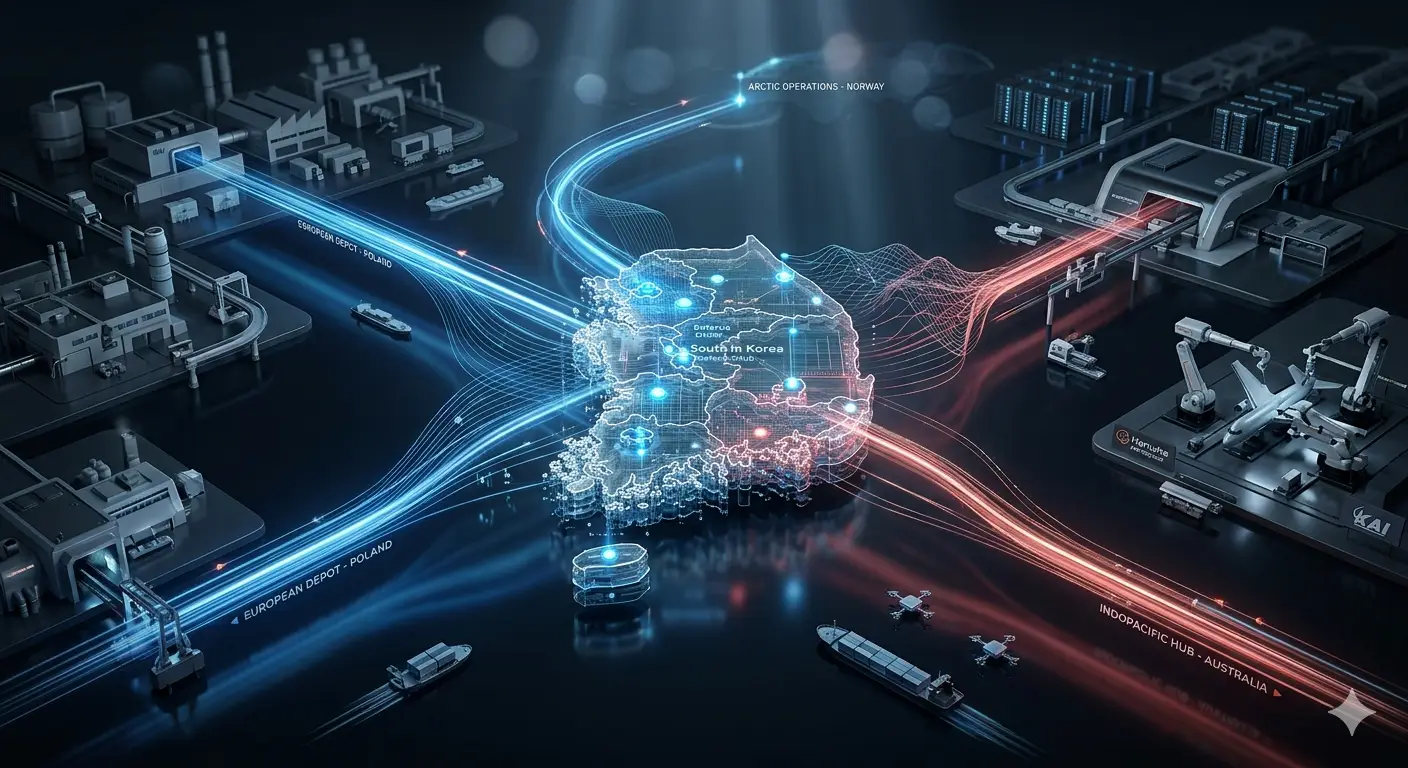
A cinematic 8K representation of a luminous South Korea, composed of transparent layers, circuits, and data grids, serving as the core hub of global defence logistics and AI-driven supply chain resilience.

South Korea’s defence industry has become more visible in recent years. For many international readers, Korea is still better known for semiconductors, smartphones, cars, shipbuilding, K-pop and dramas. But another part of the country’s industrial base is receiving growing attention: defence manufacturing. This topic needs careful handling. Defence exports are not ordinary consumer products. They … Read more

Why AI Is Making Korea’s Semiconductor Industry More Important

Robotic arm inspecting a translucent silicon wafer in a high-tech Seoul cleanroom with Gangnam skyline in the background.

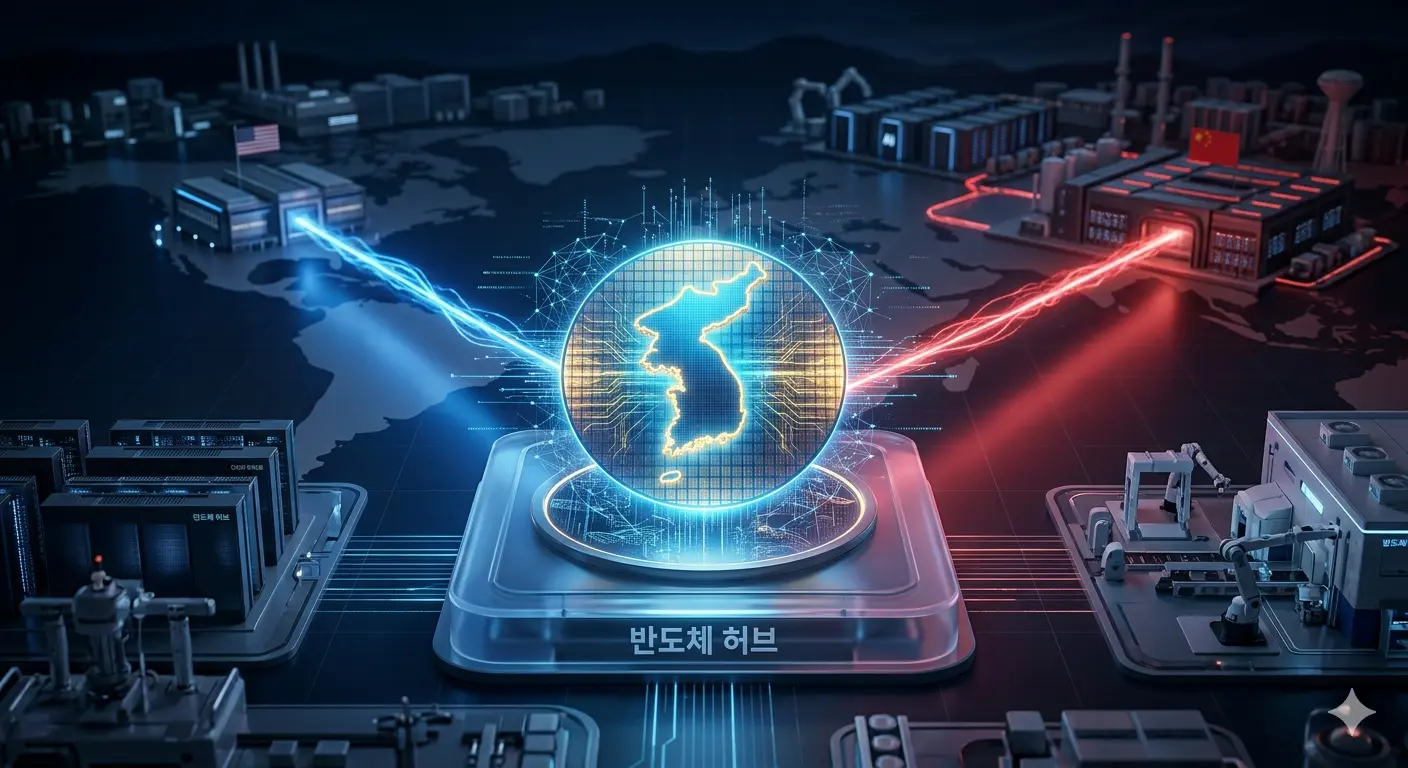
Artificial intelligence is changing the way the world looks at semiconductors. Search engines, cloud services, smartphones, robotics, electric vehicles and data centres all depend on advanced chips. As AI systems become larger and more widely used, demand for high-performance memory has become one of the most important issues in the technology supply chain. This is … Read more