Halal K-Food’s Evolution: How Korean Cuisine Is Welcoming Southeast Asian Muslim Travellers
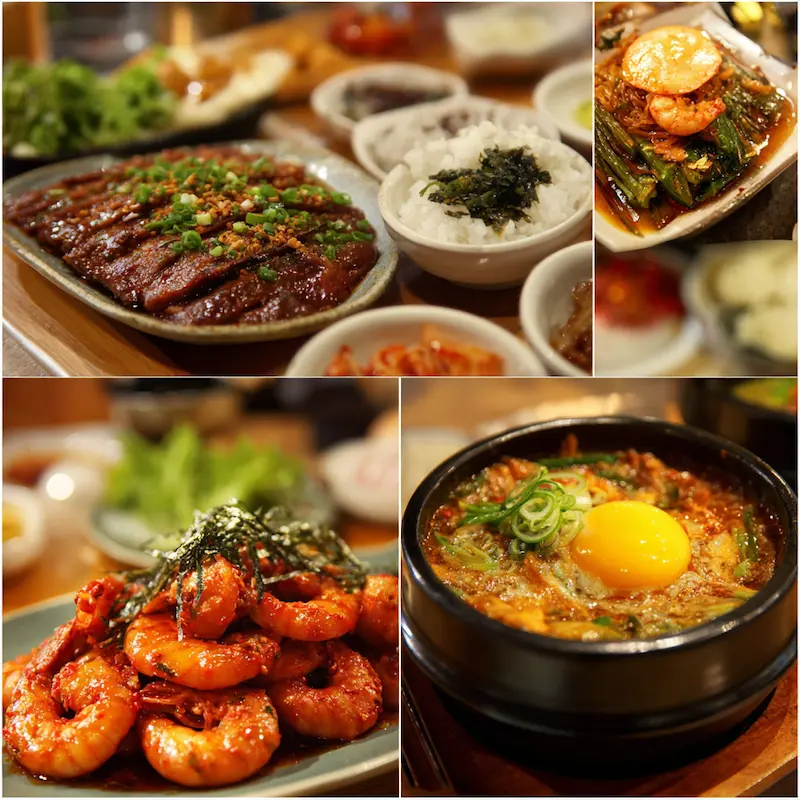
An abundant spread of halal-certified Korean dishes on a traditional wooden table in Seoul, featuring halal bulgogi, golden Korean fried chicken, colourful banchan in ceramic bowls, steaming doenjang jjigae, and freshly made kimbap rolls.

The Changing Face of Seoul’s Food Scene Walk through the streets of Myeongdong or Gangnam in May 2026, and you’ll notice something remarkable. Amongst the traditional Korean restaurants and trendy cafés, a new wave of establishments has emerged—ones proudly displaying halal certification signs. These aren’t just niche offerings anymore. They represent a fundamental shift in … 더 읽기

South Korea’s Strangest Paradox: The World’s Most AI-Obsessed Nation Is Going Gloriously Analogue

A young Korean woman writing in a bullet journal with a fountain pen at a wooden desk, surrounded by Korean books and notebooks, with the Seoul cityscape visible through the window behind her

If you were to picture South Korea in 2026, your mind would likely conjure up images of a hyper-futuristic metropolis. You might imagine a society where robots serve your coffee, 6G networks are already in testing, and artificial intelligence manages everything from your daily schedule to your grocery shopping. You would not be entirely wrong. … 더 읽기

South Korea’s Digital Nomad Visa (F-1-D) 2026: The Ultimate Workation Guide

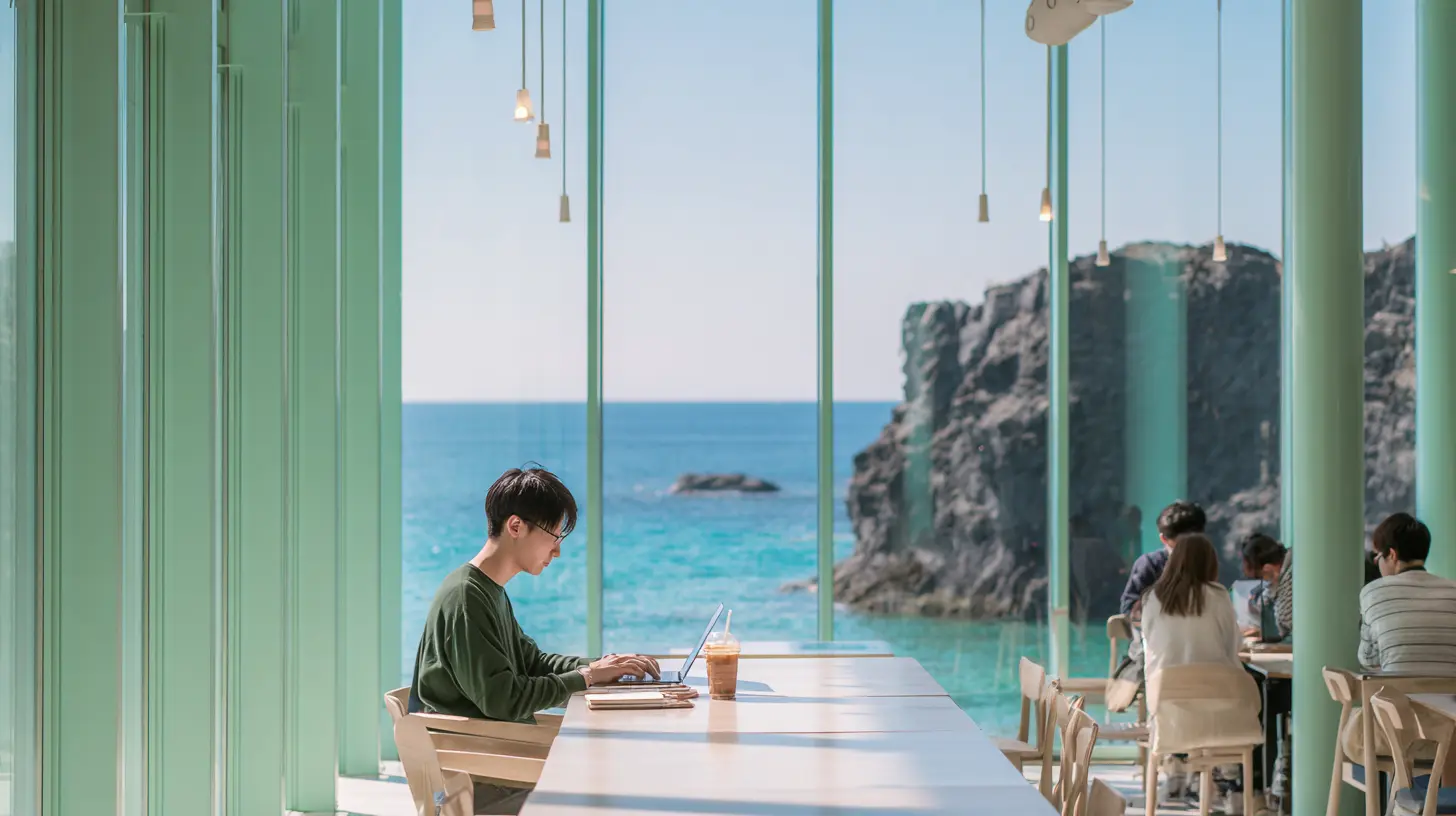
A digital nomad working on a laptop at an ocean-view coworking space in Jeju Island, South Korea, with turquoise sea and volcanic cliffs framed through open windows — a prime workation destination for F-1-D visa holders in 2026.

The concept of a ‘workation’ has evolved from a transient post-pandemic trend into a strategic lifestyle choice for the global elite. South Korea, with its seamless fusion of hyper-modern infrastructure and deep-rooted cultural heritage, has rapidly emerged as a premier destination for digital nomads. In 2026, the South Korean Digital Nomad Visa (officially known as … 더 읽기

South Korea’s Work-Life Revolution: From 69-Hour Weeks to Competitive Napping

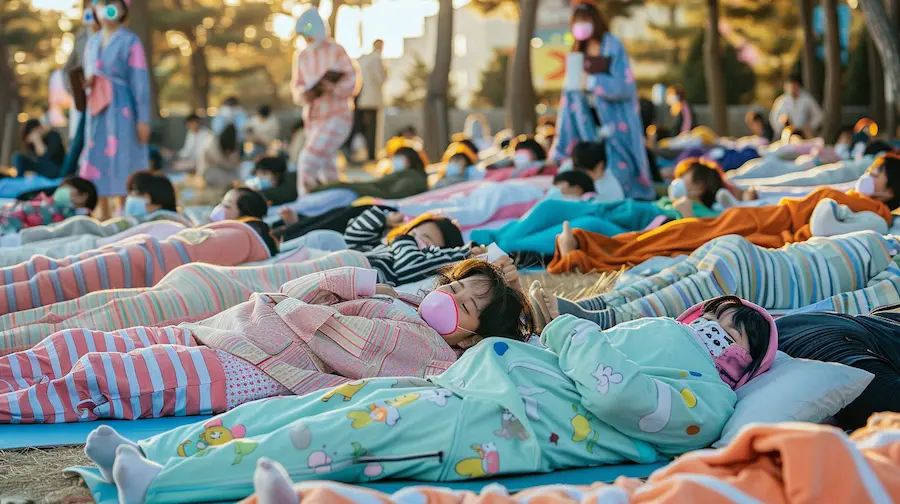
Participants sleeping on colorful yoga mats at the 2026 Seoul Hangang Nap Competition, with judges holding clipboards and Seoul city skyline in the background, representing South Korea's work-life balance revolution

Picture this: It is a sunny Saturday afternoon in May 2026. You are strolling along the banks of the Han River in Seoul, expecting to see people cycling, eating fried chicken, or flying kites. Instead, you stumble upon a bizarre sight. Nearly 200 people are lying on yoga mats, dressed in everything from pyjamas to … 더 읽기

Korean BBQ & Restaurant Expansion Across North America & Latin America: How Korean Dining Became Global Mainstream

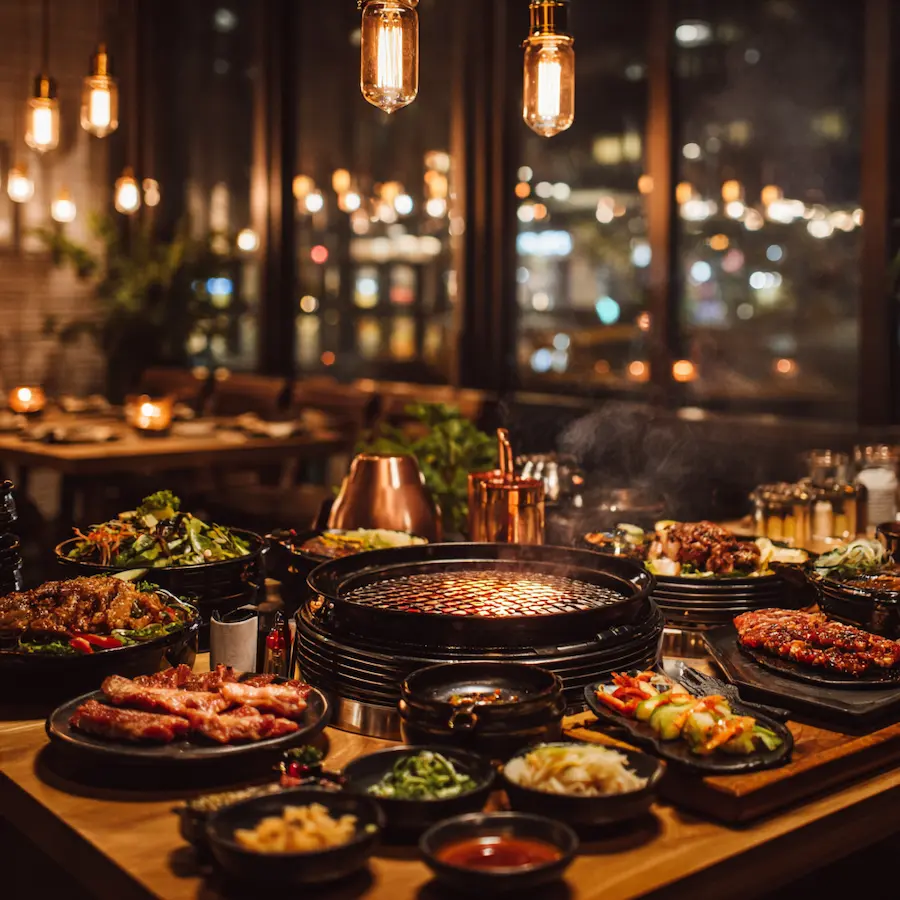
Korean BBQ restaurant interior with glowing tabletop charcoal grills, marinated meats, banchan side dishes and hot pot vessels, set against an American city streetscape at night representing Korean dining expansion across North and Latin America in 2026

The Austin Moment In June 2026, construction begins on K POT Korean BBQ & Hot Pot’s newest location in Northwest Austin, Texas. The restaurant will open by December 2026. This isn’t just another restaurant opening. It represents the acceleration of Korean restaurant expansion across North America. Korean BBQ has moved from niche dining to mainstream … 더 읽기

K-Beauty’s US Market Dominance & Olive Young’s North American Launch: How Korean Skincare Conquered America

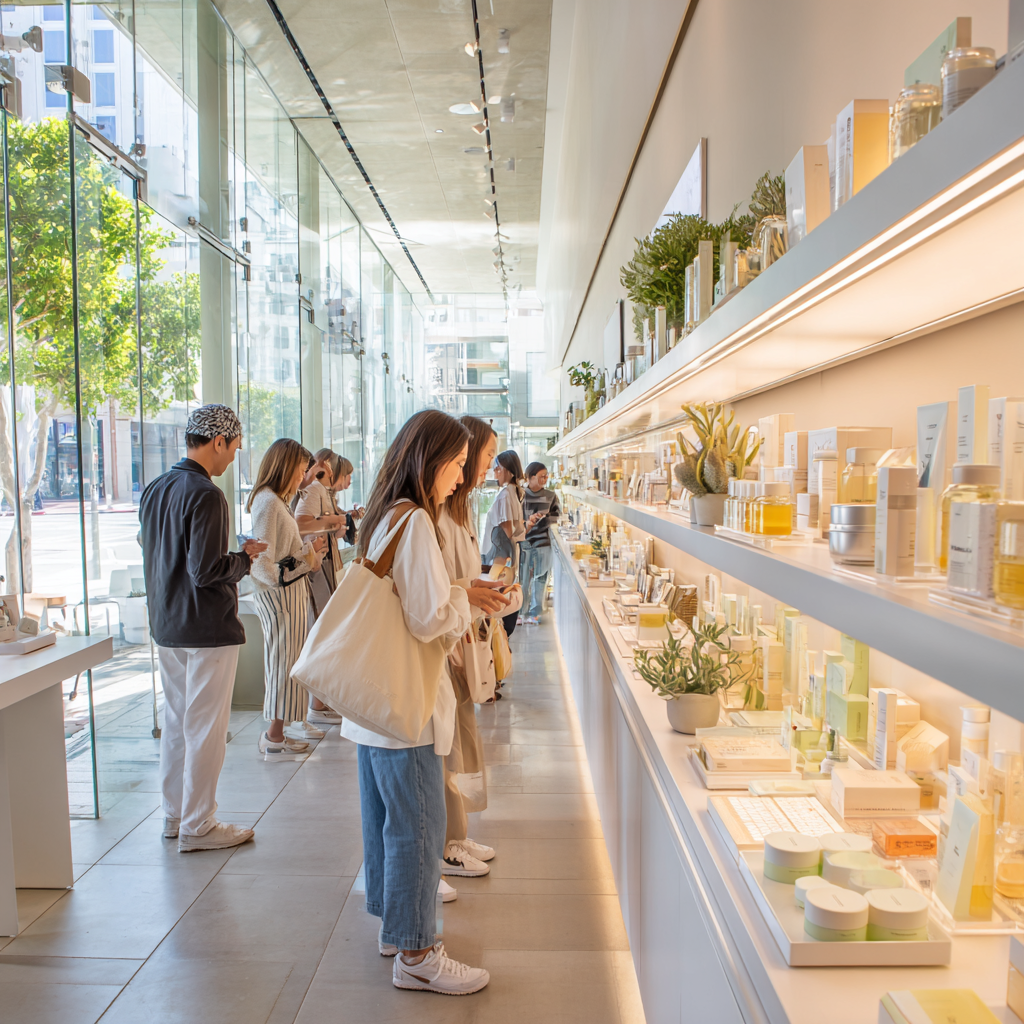
Olive Young first US store Pasadena California with skincare products organised by skin concern, diverse American customers browsing

The Pasadena Moment In May 2026, something remarkable happened in California. Olive Young, South Korea’s dominant beauty retailer, opened its first physical store in Pasadena. This wasn’t just another beauty shop opening. It represented a fundamental shift in how K-beauty operates in the Americas. For the first time, a Korean beauty company didn’t need to … 더 읽기

K-Pop’s Fifth Generation & Cultural Shift in the Americas: From Music to Movement

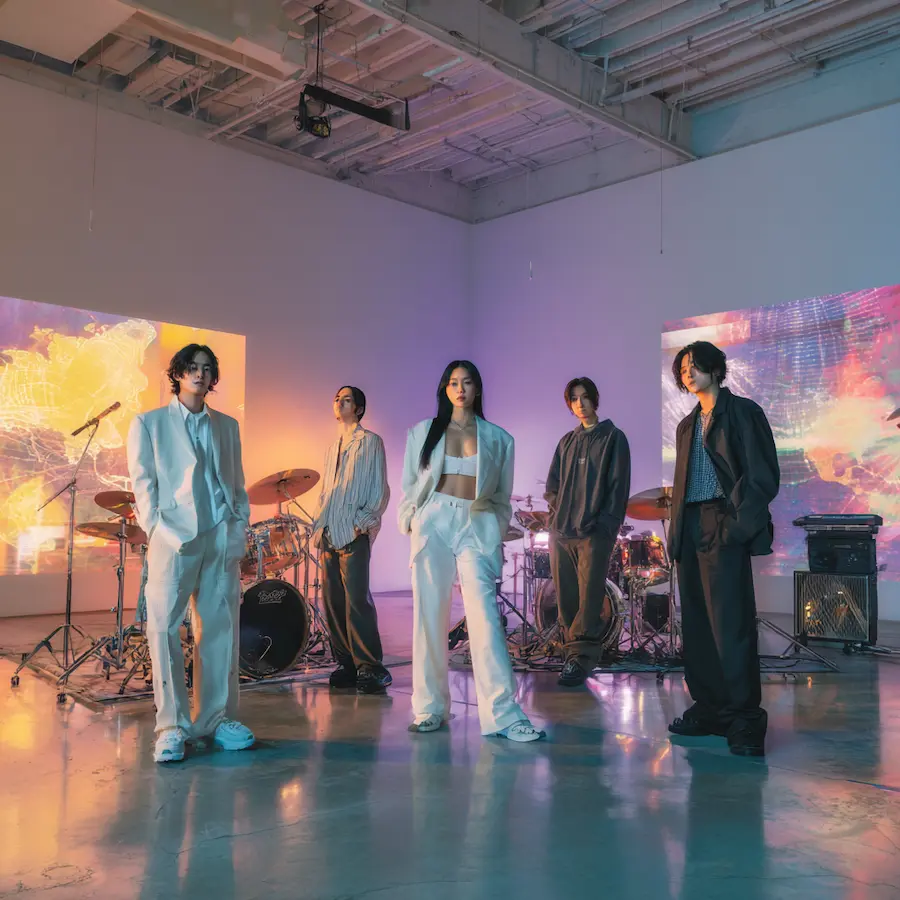
Editorial illustration of five K-pop generation silhouettes progressing toward a global cultural space, with the fifth generation stepping beyond boundaries to represent identity and self-expression across North America and Latin America in 2026

The Generation That Challenges Everything In May 2026, CNN aired a segment that captured something fundamental about K-pop’s evolution. Daniel Dae Kim sat down with AllDay Project, a South Korean band that debuted in 2025 and already developed a cult following. The segment wasn’t about music charts or commercial success. It was about cultural meaning. … 더 읽기

BTS ARIRANG Tour’s Economic Impact on North America & Latin America: How K-Pop Became a $1 Trillion Economic Engine

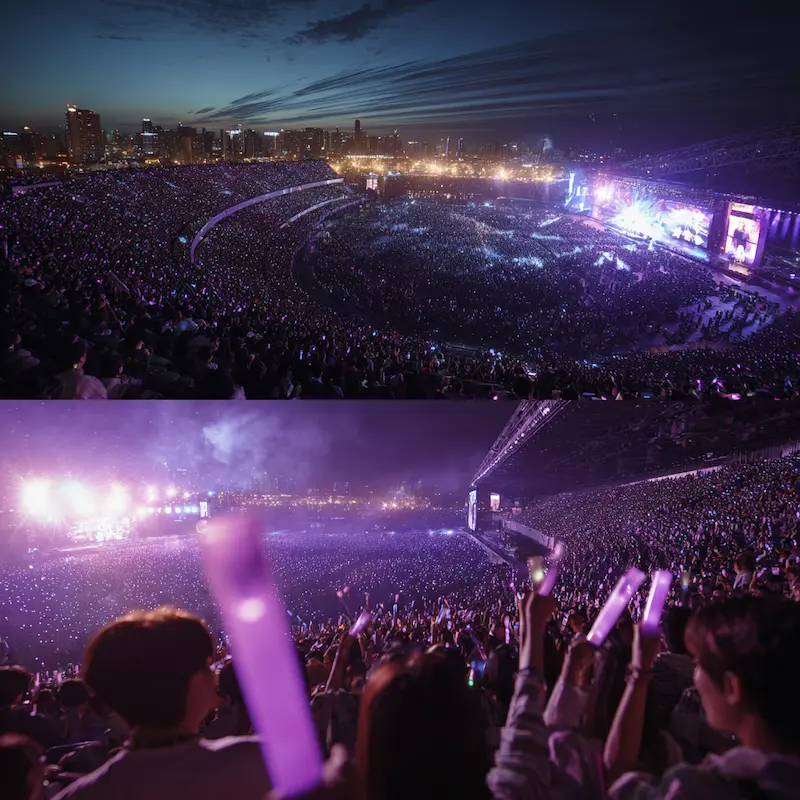
BTS ARIRANG World Tour 2026 Tampa stadium concert with international fans, purple lightsticks and economic boom symbols

The Concert That Changed Economics In April 2026, something remarkable happened in Tampa, Florida. Over three days, 190,000 people gathered at Raymond James Stadium to watch BTS perform. The economic impact wasn’t just significant. It was transformative. Local projections estimated the Tampa concerts alone would generate between $800 million and $900 million in direct economic … 더 읽기

Korean Wave’s Global Shift: From K-Pop to K-Business in Southeast Asia

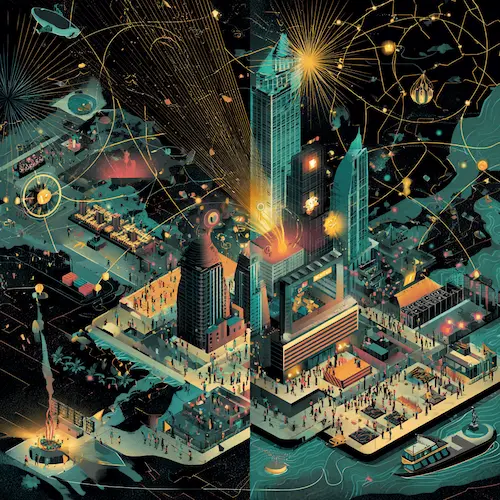
Split editorial illustration showing Korean cultural exports transforming into K-business expansion across Southeast Asia in 2026, connecting Bangkok, Singapore, Manila and Jakarta through trade and investment flows

The Transformation Nobody Expected For two decades, the Korean Wave—or Hallyu—meant one thing: entertainment. K-dramas on Netflix. K-pop concerts. BTS breaking records. But something fundamental has shifted in 2026, and it’s rewriting how the world understands Korean cultural influence. The story isn’t just about music and television anymore. It’s about Korean companies systematically converting cultural … 더 읽기

BTS Comeback 2026: How K-Pop’s Biggest Reunion Is Reshaping Southeast Asian Tourism

BTS ARIRANG World Tour 2026 concert stage lighting over Southeast Asian city skyline at night, representing K-pop tourism boom across Bangkok, Singapore and Manila

The Numbers Tell the Story When BTS took the stage at Goyang Stadium on 9 April 2026, something remarkable happened. South Korea’s tourism apparatus didn’t just welcome fans back—it welcomed a new era of cultural influence that would ripple across Southeast Asia for months to come. The statistics are staggering. In March 2026 alone, South … 더 읽기